
Gout is a painful, inflammatory form of arthritis. Those affected will typically feel an intense stiffness in the joints of their feet, particularly in the big toe. Schedule a visit to learn about how gout can be managed and treated.
Gout is a painful, inflammatory form of arthritis. Those affected will typically feel an intense stiffness in the joints of their feet, particularly in the big toe. Schedule a visit to learn about how gout can be managed and treated.

A Lisfranc injury affects the middle of the foot, where bones and ligaments connect the forefoot with the midfoot. This injury can range from a stretched ligament to a fracture or joint displacement. Symptoms include midfoot pain, swelling, and difficulty putting weight on the foot. Bruising on the bottom of the foot can be a warning sign. Because Lisfranc injuries can resemble a sprain, evaluation is important after injury.
A Lisfranc injury may occur when the foot twists while the body moves in another direction. Falls, car crashes, and sports injuries can create enough force to damage the Lisfranc joint complex. Risk increases with activities or trauma. Injuries are subtle and may seem manageable. Without treatment, an injury can lead to chronic pain, arthritis, or foot deformity. A podiatrist may use an examination and X-rays to evaluate for alignment. An MRI or CT scan may be recommended when the injury is difficult to see.
Lisfranc surgery may be needed when the joint is unstable, bones are displaced, or the injury cannot be maintained in proper alignment without fixation. During surgery, the podiatrist or foot and ankle surgeon realigns the bones. Screws, plates, or fixation devices may be used to hold the joints in position while they heal. The approach depends on the fracture pattern and joint damage. Some patients may require fusion when joints are damaged or cannot be restored reliably.
After treatment, protecting the foot is important for healing. Your podiatrist may recommend immobilization and restricted weight-bearing during recovery. Follow-up appointments and imaging tests can help confirm that the bones and joints remain aligned. As healing progresses, your podiatrist can guide a return to activities and footwear. Treatment can help protect foot function and reduce complications. If you have sustained a Lisfranc fracture, it is suggested that you consult a podiatrist who can determine if this type of foot surgery is right for you.
Foot surgery is sometimes necessary to treat a foot ailment. To learn more, contact Dr. Scott Peters of Ankle & Foot Walk-In Clinic. Our doctor will assist you with all of your foot and ankle needs.
When Is Surgery Necessary?
Foot and ankle surgery is generally reserved for cases in which less invasive, conservative procedures have failed to alleviate the problem. Some of the cases in which surgery may be necessary include:
What Types of Surgery Are There?
The type of surgery you receive will depend on the nature of the problem you have. Some of the possible surgeries include:
Benefits of Surgery
Although surgery is usually a last resort, it can provide more complete pain relief compared to non-surgical methods and may allow you to finally resume full activity.
Surgical techniques have also become increasingly sophisticated. Techniques like endoscopic surgery allow for smaller incisions and faster recovery times.
If you have any questions, please feel free to contact our office located in Mayfield Village, OH . We offer the newest diagnostic and treatment technologies for all your foot care needs.

Stretching the feet can help maintain flexibility and support comfortable movement. The feet and ankles work together with muscles in the lower legs to provide stability for standing and walking. When these tissues become tight, normal movement can feel restricted. Stretching can target the calf muscles and the plantar fascia, a strong band of tissue along the bottom of the foot. Maintaining flexibility in these areas can support the foot and ankle as they move through everyday activities. A structured stretching program can also be useful when recovering from certain foot or ankle problems.
Different stretches focus on specific tissues that support the feet. A heel-cord stretch targets the calf and tissues near the back of the ankle. Keeping the back knee straight during one version focuses on the larger calf muscle. Bending the back knee slightly changes the stretch and reaches a deeper calf muscle. Plantar fascia stretches focus on the bottom of the foot. A podiatrist can assess foot and ankle movement before recommending stretches. This evaluation helps identify areas of tightness or limited motion that can affect the way a patient stands or walks.
A podiatrist can create a stretching plan based on the patient’s mobility and examination findings. Guided exercises can focus on improving flexibility while maintaining proper form. Podiatric care can also address movement in the ankle, foot, and nearby joints when restrictions affect normal function. Strengthening exercises can complement stretching by supporting the muscles that control the foot and ankle. A podiatrist can monitor progress and adjust exercises as mobility changes. This approach can help patients work toward better flexibility and more comfortable movement. If you have foot or ankle stiffness, it is suggested that you schedule an appointment with a podiatrist for a diagnosis and appropriate treatment.
Stretching the feet is a great way to prevent injuries. If you have any concerns with your feet consult with Dr. Scott Peters from Ankle & Foot Walk-In Clinic. Our doctor will assess your condition and provide you with quality foot and ankle treatment.
Stretching the Feet
Being the backbone of the body, the feet carry your entire weight and can easily become overexerted, causing cramps and pain. As with any body part, stretching your feet can serve many benefits. From increasing flexibility to even providing some pain relief, be sure to give your feet a stretch from time to time. This is especially important for athletes or anyone performing aerobic exercises, but anyone experiencing foot pain or is on their feet constantly should also engage in this practice.
Great ways to stretch your feet:
Individuals who tend to their feet by regular stretching every day should be able to minimize foot pain and prevent new problems from arising.
If you have any questions please contact our office located in Mayfield Village, OH . We offer the newest diagnostic and treatment technologies for all your foot and ankle needs.
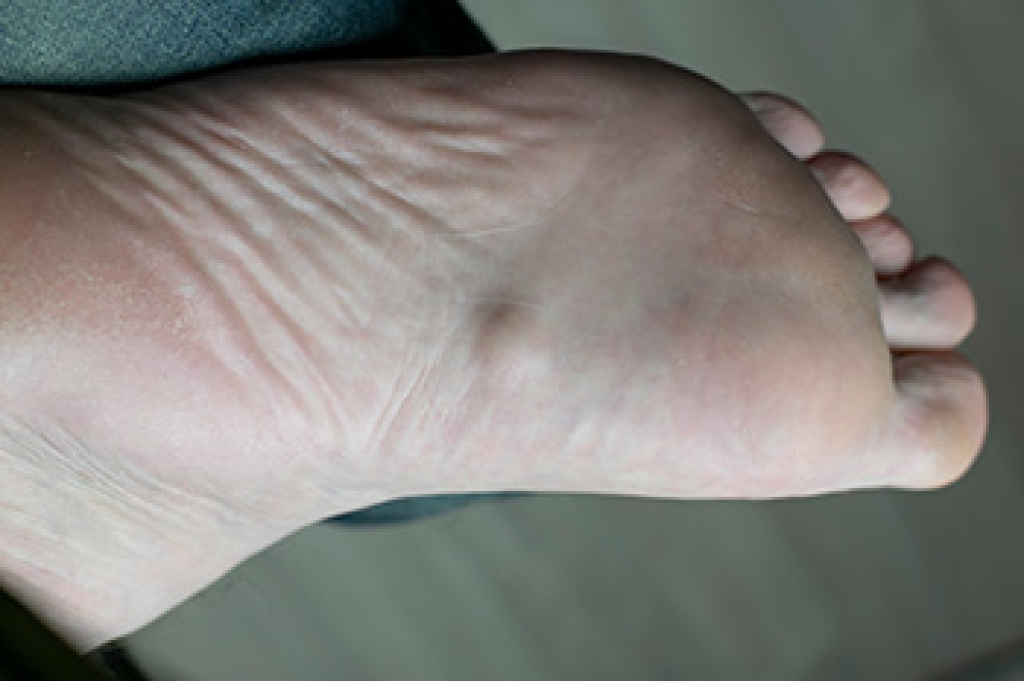
A plantar fibroma is a benign, non-cancerous growth that develops within the plantar fascia. This strong band of tissue runs along the bottom of the foot and supports the arch. A plantar fibroma usually appears as a firm lump within the arch. It may be small at first but can become more noticeable over time. Although the growth is not cancerous, it can cause discomfort while walking or standing. Early evaluation can help identify the cause of a new lump.
The exact cause of plantar fibroma is not always known. Repeated stress on the plantar fascia may contribute to its development. Risk factors can include family history, certain foot mechanics, and repeated pressure on the arch. People with conditions that affect connective tissue may also have an increased risk. Additionally, wearing shoes that place pressure directly over the lump can make symptoms more noticeable. Some people have no pain, while others develop tenderness or aching during activity.
Plantar fibroma symptoms commonly include a firm, noticeable nodule in the arch. The lump may feel tender when pressed or when standing for long periods of time. Walking barefoot on hard surfaces can make discomfort more noticeable. Tight shoes may also rub against the growth and increase irritation. A podiatrist can examine the foot and discuss your symptoms and medical history. Imaging, such as an ultrasound or an MRI scan, may be recommended when the diagnosis needs clarification.
Treatment depends on the size of the fibroma and how much it affects your daily activities. A podiatrist may begin with footwear changes, padding, or custom orthotics to reduce pressure on the growth.Your podiatrist may monitor the fibroma over time if symptoms remain mild, and more persistent cases may require additional treatment options. If you have a plantar fibroma, it is suggested that you consult a podiatrist for an accurate diagnosis and appropriate treatment.
A plantar fibroma may disrupt your daily activities. If you have any concerns, contact Dr. Scott Peters of Ankle & Foot Walk-In Clinic. Our doctor can provide the care you need to keep you pain-free and on your feet.
Plantar Fibroma
A plantar fibroma is a fibrous knot in the arch of the foot. It is embedded in the plantar fascia which is a band of tissue that extends from the heel to the toes along the bottom of the foot. There can be multiple plantar fibromas in the feet at the same time. There are no known causes for this condition. If you have a plantar fibroma, there will be a bump in the arch of your foot that cannot be missed. Any associated pain is most often due to a shoe rubbing against the nodule. Non-surgical options, such as steroid injections, physical therapy, and orthotics should be tried first. Surgery is a last resort and is the only thing that will remove a plantar fibroma entirely. Consult with a podiatrist for a proper diagnosis and to determine the treatment regimen that is right for you.
What Causes a Plantar Fibroma?
While there are no specific causes identified, a plantar fibroma can possibly come from genetic predisposition or the formation of scar tissue that forms from healing the tears in the plantar fascia.
What Are the Symptoms of a Plantar Fibroma?
There will be a noticeable lump in the arch of the foot that may or may not cause pain. If pain is felt, it is typically because a shoe is rubbing up against the lump or when walking or standing barefoot.
Treatment and Prevention
A plantar fibroma will not disappear without treatment, but it can get smaller and be a non-issue. If pain persists, a podiatrist examines the foot and when the arch of the foot is pressed, pain can be felt down to the toes. An MRI or biopsy might be performed to help diagnose or evaluate the plantar fibroma. The following non-surgical options are generally enough to reduce the size and pain of these nodules:
Surgery is considered if the mass increases in size and the patient continues to feel pain after non-surgical methods are tried.
If you have any questions, please feel free to contact our office located in Mayfield Village, OH . We offer the newest diagnostic and treatment technologies for all your foot care needs.

Ankle pain without a direct injury can seem unexpected, but several conditions can cause discomfort without a clear accident or fall. Arthritis, gout, and Achilles tendon injuries are among some of the problems that can all affect the ankle. Arthritis can cause pain, stiffness, and tenderness when the joint changes. Gout is a type of arthritis that can cause sudden, severe pain when crystals build up inside a joint. Bursitis develops when small fluid-filled sacs near the ankle become irritated. Fallen arches can also place extra stress on the feet and ankles. In addition, repeated activity can irritate the Achilles tendon, which connects the calf muscle to the heel.
A podiatrist can examine the foot and ankle to help determine what is causing the pain. The evaluation can include checking the ankle's movement, looking for swelling, and examining areas of tenderness. A podiatrist can also review your symptoms and ask about your activity level, previous foot or ankle problems, and other health conditions that could relate to the pain. Imaging tests can provide additional information when a structural problem is suspected. X-rays can show changes in bones and joints, while an ultrasound can help identify problems involving tendons. Finding the cause is important because treatment depends on what is behind the ankle pain.
Once the cause has been identified, a podiatrist can recommend an appropriate treatment plan. Treatment can include wearing supportive shoes or inserts, bracing, or medication, when appropriate. Some conditions require more specialized treatment, while severe tendon or joint problems can sometimes require surgery. A podiatrist can also monitor your progress and make changes to treatment based on your symptoms and examination findings. Ankle pain that appears without a direct injury should not be ignored, particularly when it is persistent, severe, or accompanied by swelling or stiffness. If you have ankle pain without direct injury, it is suggested that you schedule an appointment with a podiatrist for a diagnosis and appropriate treatment.
Ankle pain can have many different causes and the pain may potentially be serious. If you have ankle pain, consult with Dr. Scott Peters from Ankle & Foot Walk-In Clinic. Our doctor will assess your condition and provide you with quality foot and ankle treatment.
Ankle pain is any condition that causes pain in the ankle. Due to the fact that the ankle consists of tendons, muscles, bones, and ligaments, ankle pain can come from a number of different conditions.
Causes
The most common causes of ankle pain include:
Symptoms
Symptoms of ankle injury vary based upon the condition. Pain may include general pain and discomfort, swelling, aching, redness, bruising, burning or stabbing sensations, and/or loss of sensation.
Diagnosis
Due to the wide variety of potential causes of ankle pain, podiatrists will utilize a number of different methods to properly diagnose ankle pain. This can include asking for personal and family medical histories and of any recent injuries. Further diagnosis may include sensation tests, a physical examination, and potentially x-rays or other imaging tests.
Treatment
Just as the range of causes varies widely, so do treatments. Some more common treatments are rest, ice packs, keeping pressure off the foot, orthotics and braces, medication for inflammation and pain, and surgery.
If you have any questions please feel free to contact our office located in Mayfield Village, OH . We offer the newest diagnostic tools and technology to treat your foot and ankle needs.
Connect With Us


