Monday and Thursday, patients are seen by appointment only. Can't wait to be seen? Every Tuesday we have walk-in hours from 9am to 4pm. Virtual appointments are available on Wednesdays by appointment only. Fridays are surgery days. Click the Request Appointment button below to request an appointment.

Chronic Ankle Instability and Podiatric Care

Chronic ankle instability is a condition where the ankle frequently gives way, especially during physical activity or walking on uneven surfaces. It often develops from recurrent ankle sprains, multiple ligament injuries, or even a first-time ankle sprain at a young age that did not heal properly. Symptoms may include persistent swelling, pain, and a feeling of weakness or looseness in the ankle. A podiatrist can help by assessing joint stability, taking radiographic images, prescribing strengthening exercises, fitting supportive orthotics, and providing treatments to improve balance and prevent future injuries. If chronic ankle instability is limiting your mobility or causing repeated sprains, it is suggested that you consult a podiatrist who can help you to manage this condition.

Ankle pain can have many different causes and the pain may potentially be serious. If you have ankle pain, consult with Dr. Scott Peters  from Ankle & Foot Walk-In Clinic. Our doctor will assess your condition and provide you with quality foot and ankle treatment.

Ankle pain is any condition that causes pain in the ankle. Due to the fact that the ankle consists of tendons, muscles, bones, and ligaments, ankle pain can come from a number of different conditions.

Causes

The most common causes of ankle pain include:

  • Types of arthritis (rheumatoid, osteoarthritis, and gout)
  • Ankle sprains
  • Broken ankles
  • Achilles tendinitis
  • Achilles tendon rupture
  • Stress fractures
  • Tarsal tunnel syndrome
  • Plantar fasciitis

Symptoms

Symptoms of ankle injury vary based upon the condition. Pain may include general pain and discomfort, swelling, aching, redness, bruising, burning or stabbing sensations, and/or loss of sensation.

Diagnosis

Due to the wide variety of potential causes of ankle pain, podiatrists will utilize a number of different methods to properly diagnose ankle pain. This can include asking for personal and family medical histories and of any recent injuries. Further diagnosis may include sensation tests, a physical examination, and potentially x-rays or other imaging tests.

Treatment

Just as the range of causes varies widely, so do treatments. Some more common treatments are rest, ice packs, keeping pressure off the foot, orthotics and braces, medication for inflammation and pain, and surgery.

If you have any questions please feel free to contact our office located in Mayfield Village, OH . We offer the newest diagnostic tools and technology to treat your foot and ankle needs.


Read more about Ankle Pain

The Impact of High Heels on Foot and Ankle Health

Wearing high heels regularly can lead to a range of foot and ankle injuries. One common issue is ankle inversion, where the ankle rolls outward and increases the risk of sprains. Prolonged high heel use can also cause musculoskeletal pain due to unnatural foot positioning and added pressure on the forefoot. High heels may contribute to the development of bunions, by forcing the big toe inward and causing a bump to form at the joint. A podiatrist can evaluate foot structure, recommend supportive footwear, and treat any existing conditions with personalized care. If you have sustained a foot or ankle injury from frequently wearing high heels, it is suggested that you consult a podiatrist who can treat various foot conditions, and guide you on better shoe choices.

High heels have a history of causing foot and ankle problems. If you have any concerns about your feet or ankles, contact Dr. Scott Peters from Ankle & Foot Walk-In Clinic. Our doctor can provide the care you need to keep you pain-free and on your feet.

Effects of High Heels on the Feet

High heels are popular shoes among women because of their many styles and societal appeal.  Despite this, high heels can still cause many health problems if worn too frequently.

Which Parts of My Body Will Be Affected by High Heels?

  • Ankle Joints
  • Achilles Tendon – May shorten and stiffen with prolonged wear
  • Balls of the Feet
  • Knees – Heels cause the knees to bend constantly, creating stress on them
  • Back – They decrease the spine’s ability to absorb shock, which may lead to back pain.  The vertebrae of the lower back may compress.

What Kinds of Foot Problems Can Develop from Wearing High Heels?

  • Corns
  • Calluses
  • Hammertoe
  • Bunions
  • Morton’s Neuroma
  • Plantar Fasciitis

How Can I Still Wear High Heels and Maintain Foot Health?

If you want to wear high heeled shoes, make sure that you are not wearing them every day, as this will help prevent long term physical problems.  Try wearing thicker heels as opposed to stilettos to distribute weight more evenly across the feet.  Always make sure you are wearing the proper shoes for the right occasion, such as sneakers for exercising.  If you walk to work, try carrying your heels with you and changing into them once you arrive at work.  Adding inserts to your heels can help cushion your feet and absorb shock. Full foot inserts or metatarsal pads are available. 

If you have any questions, please feel free to contact our office located in Mayfield Village, OH . We offer the newest diagnostic and treatment technologies for all your foot care needs.

Read more about Effect of High Heels on the Feet

Are You Suffering From Ingrown Toenails?

If left untreated, an ingrown toenail can lead to more serious concerns, such as an infection. Knowing proper nail care can help in the prevention of an ingrown toenail. Give us a call, and get treated!

Erythromelalgia Causes Burning Pain in the Feet

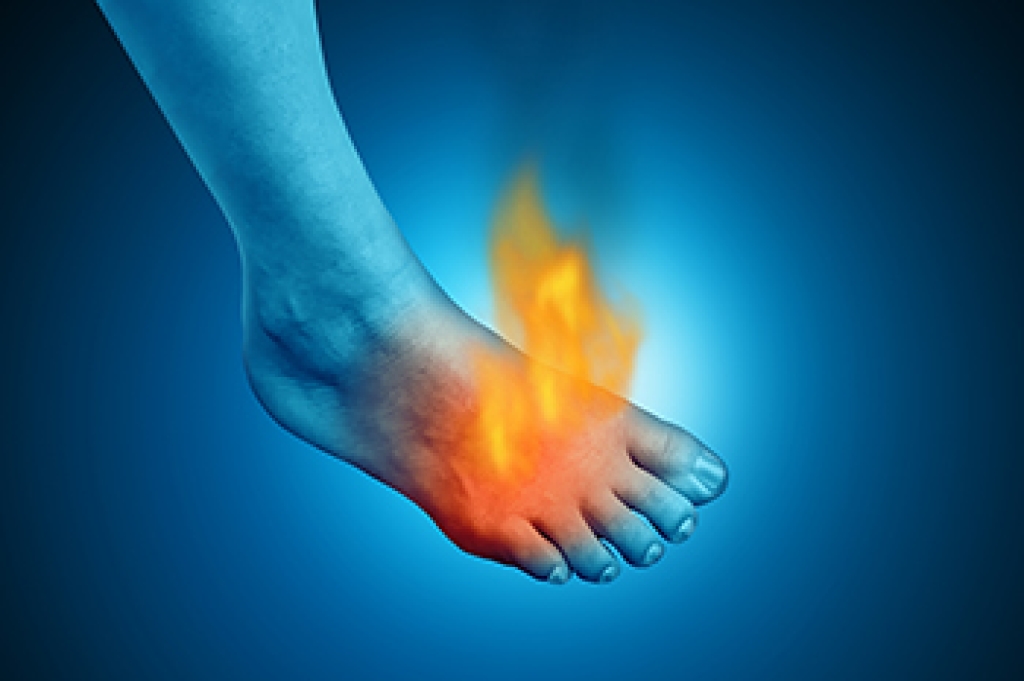
Erythromelalgia is a rare foot condition that causes episodes of burning pain, redness, and warmth in the feet, often triggered by heat, activity, or stress. Symptoms can range from mild discomfort to severe, throbbing pain that limits mobility and daily activities. The exact cause can vary, with some cases linked to nerve dysfunction, circulation issues, or underlying conditions such as autoimmune disorders. Flare-ups may become more frequent without proper management. A podiatrist can help by assessing symptoms, and recommending supportive footwear and cooling strategies  If you experience persistent burning or redness in your feet,  it is suggested that you schedule a visit with a podiatrist for a proper diagnosis, management, and relief strategies.

Some foot conditions may require additional professional care. If you have any concerns, contact Dr. Scott Peters of Ankle & Foot Walk-In Clinic. Our doctor can provide the care you need to keep you pain-free and on your feet.

Rare Foot Conditions

The majority of foot conditions are common and can be treated by a podiatrist.  Standard diagnostic procedures are generally used to identify specific conditions and treatment can be rendered. A podiatrist also treats rare foot conditions which can be difficult to diagnose and may need extra attention and care. 

There are many rare foot conditions that can affect children. Some of these can include:

  • Freiberg’s disease
  • Kohler’s disease
  • Maffucci syndrome

Freiberg’s disease - This can be seen as a deterioration and flattening of a metatarsal bone that exists in the ball of the foot. It typically affects pre-teen and teenage girls, but can affect anyone at any age. Symptoms that can accompany this can be swelling, stiffness, and the patient may limp. 

Kohler’s disease - This often targets the bone in the arch of the foot and affects younger boys. It can lead to an interruption of the blood supply which ultimately can lead to bone deterioration. The patient may limp or experience tenderness, swelling, and redness.

Maffucci syndrome - This affects the long bones in a child’s foot leading to the development of abnormal bone lesions. They are benign growths and typically develop in early childhood and the bones may be susceptible to breaking. 

A podiatrist can properly diagnose and treat all types of rare foot conditions. If your child is affected by any of these symptoms or conditions, please don’t hesitate to call our office so the correct treatment method can begin.

If you have any questions, please feel free to contact our office located in Mayfield Village, OH . We offer the newest diagnostic and treatment technologies for all your foot care needs.

Read more about Rare Foot Conditions

How Losing Weight Positively Affects the Feet

Losing weight can have a direct impact on the feet by reducing the pressure they endure with every step. Excess body weight places strain on the arches, toes, and heels, often increasing plantar pressure, particularly under the middle of the foot and the ball of the foot. When people lose weight, this pressure tends to decrease, which may help relieve discomfort or lower the risk of painful foot conditions. While walking patterns and stride length generally do not shift much with moderate weight loss, studies show that even a small reduction in weight can ease the pressure on certain areas of the foot. A podiatrist can evaluate how weight changes affect the feet, identify areas of concern, and provide orthotics or other treatments, as necessary. If you are experiencing pain associated with your weight, it is suggested that you schedule an appointment with a podiatrist for an exam, diagnosis, and appropriate treatment options.

Obesity has become very problematic at this point in time and can have extremely negative effects on the feet. If you’re an obese individual and are concerned about your feet, contact Dr. Scott Peters from Ankle & Foot Walk-In Clinic. Our doctor can provide the care you need to keep you pain-free and on your feet.

Obesity and Your Feet

Since your feet are what support your entire weight when standing, any additional weight can result in pain and swelling. Being overweight is one of the main contributors to foot complications.

Problems & Complications

Extra Weight – Even putting on just a few extra pounds could create serious complications for your feet. As your weight increases, your balance and body will shift, creating new stresses on your feet. This uneven weight distribution can cause pain, even while doing the simplest tasks, such as walking.

Diabetes – People who are overweight are at serious risk of developing type-2 diabetes, which has a drastic impact on the health of your feet. As you get older, your diabetes might worsen, which could lead to loss of feeling in your feet, sores, and bruises. You could also become more prone to various infections.

Plantar fasciitis – Pressure and stress that is placed on muscles, joints, and tendons can trigger plantar fasciitis, which is an inflammation of tissue that forms along the bottom of the foot. 

If you have any questions, please feel free to contact our office located in Mayfield Village, OH . We offer the newest diagnostic and treatment technologies for all your foot care needs.

Read more about How Obesity Affects Your Feet

Connect With Us