Monday and Thursday, patients are seen by appointment only. Can't wait to be seen? Every Tuesday we have walk-in hours from 9am to 4pm. Virtual appointments are available on Wednesdays by appointment only. Fridays are surgery days. Click the Request Appointment button below to request an appointment.

Causes and Formation of Bunions

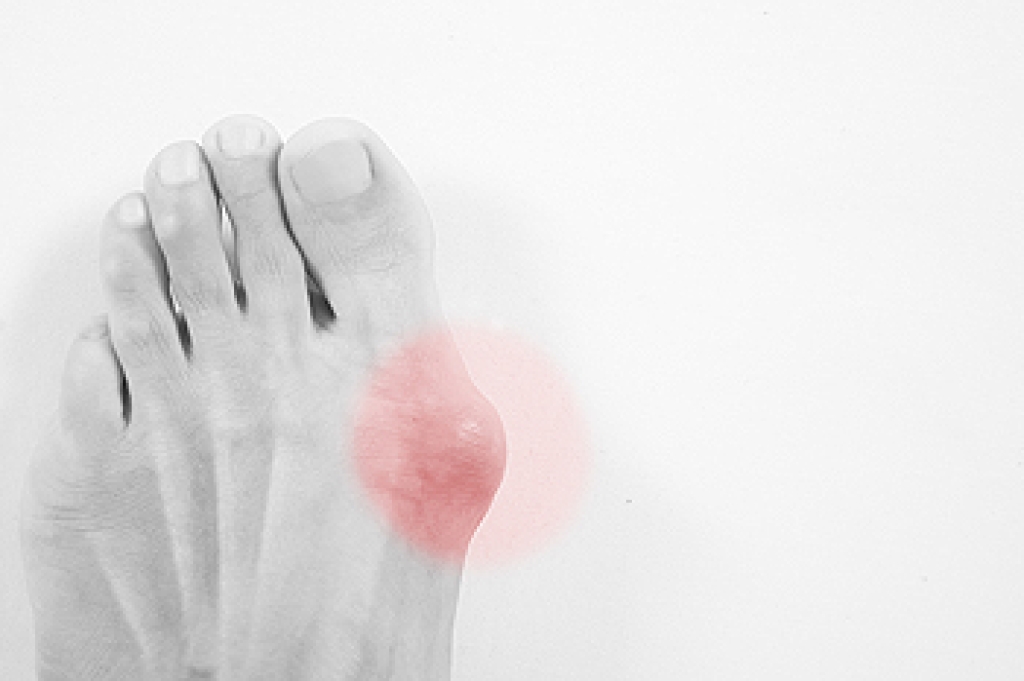
A bunion is a bony bump that forms at the base of the big toe, where the toe  joint meets the foot. This area is known as the first metatarsophalangeal joint, and it plays a key role in weight bearing and movement. A bunion develops when the big toe shifts out of alignment and leans toward the second toe. This misalignment causes the joint to protrude outward, creating a noticeable bump. Over time, the condition can worsen and affect how the foot functions during walking and standing.

Symptoms of bunions often include swelling, redness, and tenderness surrounding the affected joint. Individuals may experience pain that increases with activity, or when wearing tight shoes. The skin over the bunion may become irritated or thickened due to friction. As the deformity progresses, the big toe may overlap or crowd the neighboring toes. Reduced flexibility and stiffness in the joint can also make movement uncomfortable and limit daily activities.


Bunions form due to a combination of structural and environmental factors. Abnormal foot mechanics, such as flat feet or joint instability, can place uneven pressure on the big toe joint. This pressure leads to gradual misalignment. Wearing narrow or ill-fitting shoes can increase stress on the joint and accelerate the development of a bunion. Repetitive stress from walking or standing may also contribute to the progression of the condition.


Risk factors for bunions include genetics, since foot structure can be inherited, as well as age and gender, with women being more commonly affected. Occupations or activities that involve prolonged standing can increase pressure on the feet. Early management can help reduce discomfort and slow progression. Wearing supportive footwear and proper foot care are important steps in maintaining foot health. If you have a bunion, it is suggested that you consult a podiatrist for effective relief and treatment solutions.

If you are suffering from bunion pain, contact Dr. Scott Peters of Ankle & Foot Walk-In Clinic. Our doctor can provide the care you need to keep you pain-free and on your feet.

What Is a Bunion?

Bunions are painful bony bumps that usually develop on the inside of the foot at the joint of the big toe. As the deformity increases over time, it may become painful to walk and wear shoes. Women are more likely to exacerbate existing bunions since they often wear tight, narrow shoes that shift their toes together. Bunion pain can be relieved by wearing wider shoes with enough room for the toes.

Causes

  • Genetics – some people inherit feet that are more prone to bunion development
  • Inflammatory Conditions - rheumatoid arthritis and polio may cause bunion development

Symptoms

  • Redness and inflammation
  • Pain and tenderness
  • Callus or corns on the bump
  • Restricted motion in the big toe

In order to diagnose your bunion, your podiatrist may ask about your medical history, symptoms, and general health. Your doctor might also order an x-ray to take a closer look at your feet. Nonsurgical treatment options include orthotics, padding, icing, changes in footwear, and medication. If nonsurgical treatments don’t alleviate your bunion pain, surgery may be necessary.

If you have any questions, please feel free to contact our office located in Mayfield Village, OH . We offer the newest diagnostic and treatment technologies for all your foot care needs.


Read more about Bunions

Choosing the Right Running Shoes for Hobby Runners

Choosing the right running shoe is essential for hobby runners who want comfort, support, and injury prevention. Running shoes are designed to protect the feet from repeated impact while supporting natural movement. The definition of a proper running shoe includes features such as cushioning, stability, and a well-fitted shape that matches the foot. Selecting the right shoes can improve performance and reduce stress on the feet, ankles, and knees. Understanding how to choose running shoes helps runners stay active and avoid common foot problems.

Symptoms of wearing improper running shoes may include foot pain, blisters, soreness, or fatigue after activity. Some runners may experience discomfort in the heel, arch, or ball of the foot. These issues can develop when shoes lack proper cushioning or do not fit correctly. Risk factors include wearing shoes that are too tight, choosing the wrong type for the running surface, and continuing to use worn-out footwear. Ignoring these symptoms can lead to more serious concerns, such as overuse injuries or joint strain.


When selecting running shoes, comfort is the most important factor. Shoes should provide enough cushioning to absorb impact, especially for pavement running where surfaces are harder. Trail running shoes should offer grip and stability for uneven terrain. Runners should also ensure there is plenty of room at the end of the shoe for the toes to move freely, which helps prevent pressure and irritation. Knowing the running surface and choosing a shoe designed for that environment can support better performance and reduce injury risk.


Taking time to find the right running shoe can improve comfort and protect long-term foot health. Replacing shoes regularly and paying attention to fit can help prevent unnecessary strain. Making informed choices supports a safer and more enjoyable running experience. If you enjoy running and have sustained a foot or ankle injury, it is suggested that you consult a podiatrist who can offer effective treatment solutions and additional guidance on choosing the right shoes for your running style. 

If you are a runner, wearing the right running shoe is essential. For more information, contact Dr. Scott Peters from Ankle & Foot Walk-In Clinic. Our doctor can provide the care you need to keep you pain-free and on your feet.

Choosing the Right Running Shoe for Your Foot Type

To increase performance and avoid the risk of injury, it is important to choose the right running shoe based on your foot type. The general design of running shoes revolves around pronation, which is how the ankle rolls from outside to inside when the foot strikes the ground.

  • Neutral runners are able to choose from a wide variety of shoes, including minimalist shoes or even going barefoot.
  • Runners who overpronate, or experience an over-abundance of ankle rolling, should choose shoes that provide extra motion control and stability.
  • Runners who underpronate, or supinate, have feet that have high arches and lack flexibility, preventing shock absorption. They require shoes with more flexibility and cushion.

If you have any questions, please feel free to contact our office located in Mayfield Village, OH . We offer the newest diagnostic and treatment technologies for all your foot care needs.
Read more about Walking Shoes vs. Running Shoes

Are You Suffering From Ingrown Toenails?

If left untreated, an ingrown toenail can lead to more serious concerns, such as an infection. Knowing proper nail care can help in the prevention of an ingrown toenail. Give us a call, and get treated!

Prevention of Foot Stress Fractures for Active Lifestyles

A foot stress fracture is a small crack in one of the bones of the foot caused by repeated stress over time. Unlike a sudden break from a major injury, stress fractures usually develop gradually from repetitive trauma and increased pressure on the bones. They commonly affect athletes, runners, and individuals who increase activity levels too quickly. When bones do not have enough time to recover between activities, tiny cracks can form and worsen. Understanding the causes and warning signs of stress fractures is important for preventing more serious injuries.

Symptoms of a foot stress fracture often include localized pain that develops during activity and improves with rest in the early stages. As the injury progresses, pain may become more constant and affect daily walking. Swelling, tenderness, and sensitivity when pressing on the affected area are also common. Some individuals notice difficulty bearing weight or a change in their activity level due to discomfort. Unlike general soreness, stress fracture pain usually becomes more noticeable with continued activity and should not be ignored.


Several risk factors increase the likelihood of developing foot stress fractures. High-impact sports such as running, basketball, and gymnastics place repeated stress on the bones. Increasing training frequency too quickly or exercising without enough recovery time can contribute to injury. Irregular running surfaces may create uneven pressure throughout the foot. Additional risk factors include poor physical health, low bone density, and female gender, especially when bone strength is affected by nutritional or hormonal factors. These conditions can reduce the ability of bones to handle repeated impact.


Preventing foot stress fractures requires gradual training increases, wearing proper footwear, and adequate recovery between activities. Maintaining strong bones through proper nutrition and healthy lifestyle habits can also reduce risk. If you have developed a foot stress fracture, it is suggested that you consult a podiatrist for effective relief and treatment solutions.

Activities where too much pressure is put on the feet can cause stress fractures. To learn more, contact Dr. Scott Peters from Ankle & Foot Walk-In Clinic. Our doctor can provide the care you need to keep your pain free and on your feet.

Dealing with Stress Fractures of the Foot and Ankle

Stress fractures occur in the foot and ankle when muscles in these areas weaken from too much or too little use.  The feet and ankles then lose support when walking or running from the impact of the ground. Since there is no protection, the bones receive the full impact of each step. Stress on the feet can cause cracks to form in the bones, thus creating stress fractures.

What Are Stress Fractures?

Stress fractures occur frequently in individuals whose daily activities cause great impact on the feet and ankles. Stress factors are most common among:

  • Runners                                
  • People affected with Osteoporosis
  • Tennis or basketball players
  • Gymnasts
  • High impact workouts

Symptoms

Pain from the fractures occur in the area of the fractures and can be constant or intermittent. It will often cause sharp or dull pain with swelling and tenderness. Engaging in any kind of activity which involves high impact will aggravate pain.

If you have any questions please contact our office located in Mayfield Village, OH . We offer the newest diagnostic and treatment technologies for all your foot and ankle needs.

Read more about Stress Fractures of the Foot and Ankle

Athlete’s Foot Symptoms You Should Not Ignore

Athlete's foot is a fungal skin infection that can affect children as well as adults. The infection develops when fungi grow in warm, moist areas, especially between the toes or on the soles of the feet. Children who spend time in locker rooms, swimming pools, or shared changing areas have a greater chance of coming into contact with the fungus. Wearing shoes for long periods can also create a damp environment that allows the infection to spread. Symptoms include itching, burning, redness, and peeling skin. Some children develop cracked skin or small blisters that become uncomfortable while walking. Although athlete's foot usually stays on the skin, the infection can spread to the toenails or other parts of the foot when it is not treated promptly.

A podiatrist can determine whether a child's foot problem is athlete's foot or another condition with similar symptoms. Skin problems like eczema or dermatitis can look alike, making a professional diagnosis important. In some cases, the podiatrist gently collects a small skin sample to confirm that a fungus is causing the infection. This simple test helps guide treatment and avoids unnecessary medications. The podiatrist also checks for signs that the infection has spread to the toenails or caused deeper skin damage. Early evaluation helps reduce discomfort and lowers the chance of the infection returning.

Treatment focuses on eliminating the fungal infection and restoring healthy skin. A podiatrist selects prescription creams, topical medications, or oral medication when the infection is more severe. The treatment plan depends on the child's age, symptoms, and the extent of the infection. The podiatrist also identifies factors that contribute to repeated infections, including wearing shoes that do not allow enough airflow or spending time in damp environments. Follow-up visits help confirm that the infection has cleared completely and that healthy skin has returned. Prompt care can prevent complications and allow children to stay active with greater comfort and confidence. If you have symptoms of athlete's foot, it is suggested that you make an appointment with a chiropractor for diagnosis and treatment.

Athlete’s foot is an inconvenient condition that can be easily reduced with the proper treatment. If you have any concerns about your feet and ankles, contact Dr. Scott Peters from Ankle & Foot Walk-In Clinic.  Our doctor will treat your foot and ankle needs.

Athlete’s Foot: The Sole Story

Athlete's foot, also known as tinea pedis, can be an extremely contagious foot infection. It is commonly contracted in public changing areas and bathrooms, dormitory style living quarters, around locker rooms and public swimming pools, or anywhere your feet often come into contact with other people.

Solutions to Combat Athlete’s Foot

  • Hydrate your feet by using lotion
  • Exfoliate
  • Buff off nails
  • Use of anti-fungal products
  • Examine your feet and visit your doctor if any suspicious blisters or cuts develop

Athlete’s foot can cause many irritating symptoms such as dry and flaking skin, itching, and redness. Some more severe symptoms can include bleeding and cracked skin, intense itching and burning, and even pain when walking. In the worst cases, Athlete’s foot can cause blistering as well. Speak to your podiatrist for a better understanding of the different causes of Athlete’s foot, as well as help in determining which treatment options are best for you.

If you have any questions please feel free to contact our office located in Mayfield Village, OH . We offer the newest diagnostic and treatment technologies for all your foot and ankle needs.

Read more about How to Deal with Athlete's Foot

Connect With Us