Monday and Thursday, patients are seen by appointment only. Can't wait to be seen? Every Tuesday we have walk-in hours from 9am to 4pm. Virtual appointments are available on Wednesdays by appointment only. Fridays are surgery days. Click the Request Appointment button below to request an appointment.

Foot Pain and Running Injuries

Running injuries in the foot and ankle often develop as repetitive stress is placed on muscles, tendons, and joints without proper preparation or recovery. These injuries can appear as pain in the heel, arch, Achilles tendon, or ankle, and may begin as mild discomfort before becoming more persistent. Common causes include sudden increases in mileage, poor running mechanics, weak supporting muscles, and inadequate footwear. Learning from experienced runners and training smarter by building endurance gradually can reduce the risk of injury. Strength and flexibility imbalances also play a role in how the body absorbs impact during running. A podiatrist can evaluate foot structure, analyze gait patterns, and identify early signs of strain before they become more serious problems. If you have sustained a foot or ankle injury from running, it is suggested that you consult a podiatrist to discuss effective relief and prevention tips.

Exercising your feet regularly with the proper foot wear is a great way to prevent injuries. If you have any concerns about your feet, contact Dr. Scott Peters of Ankle & Foot Walk-In Clinic. Our doctor will treat your foot and ankle needs.

How to Prevent Running Injuries

Many common running injuries are caused by overuse and overtraining. When the back of the kneecap starts wearing out and starts causing pain in your knee, this is commonly referred to as runner’s knee. Runner’s knee is a decrease in strength in your quadriceps and can occur if you’re not wearing properly fitted or supporting shoes. To prevent runner’s knee, focusing on hip strengthening is a good idea, as well as strengthening your quads to keep the kneecaps aligned.

What Are Some Causes of Running Injuries? 
- One cause of a common running injury is called iliotibial band syndrome.
- Plantar fasciitis is also another common injury.
- Stress fractures can occur from overtraining, lack of calcium, or even your running style.

Best Ways to Prevent Running Injuries
- Wear footwear that fits properly and suits your running needs.
- Running shoes are the only protective gear that runners have to safeguard them from injury.
- Make a training schedule. Adding strengthening exercises as well as regular stretching can help keep you strong and limber and can lessen the possibility of injuries.
- Stretching keeps muscles limber; this will help you gain better flexibility.

If you have any questions, please feel free to contact our office located in Mayfield Village, OH . We offer the newest diagnostic and treatment technologies for all your foot care needs.
Read more about How to Prevent Running Injuries

What are Signs of Hammertoe?

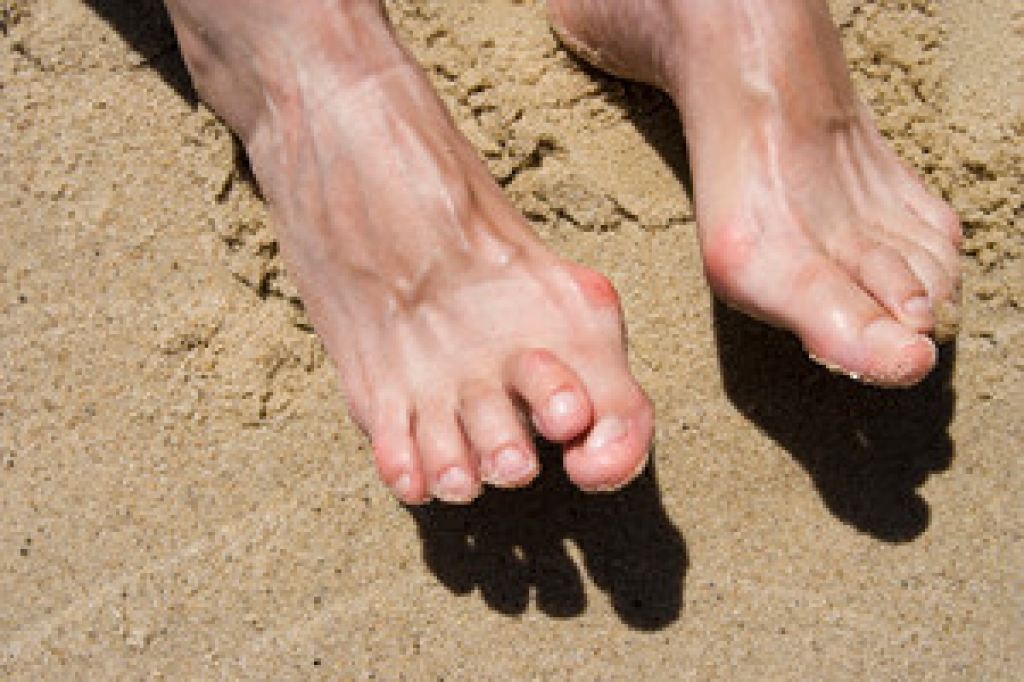
Hammertoe is a condition in which the joints of a toe become deformed, causing the toe to bend abnormally downward. This condition generally affects the second toe, but can occur in the third, fourth, or pinky toes. The hammertoe may be flexible or rigid. Signs that indicate you have developed a hammertoe can include pain at the top of the toe due to pressure from your shoes, pain at the base of the toe, corns on top of the toe, redness and swelling, and a decreased range of motion in the affected toe. Treatments depend on the severity of the hammertoe and can include conservative measures, such as wearing specialized foot pads or shoe inserts. In more severe cases surgery may be necessary. If you suspect that you have a hammertoe, it is recommended that you visit a podiatrist for proper care and treatment.

Hammertoes can be a painful condition to live with. For more information, contact Dr. Scott Peters of Ankle & Foot Walk-In Clinic. Our doctor will answer any of your foot- and ankle-related questions.

Hammertoe

Hammertoe is a foot deformity that occurs due to an imbalance in the muscles, tendons, or ligaments that normally hold the toe straight. It can be caused by the type of shoes you wear, your foot structure, trauma, and certain disease processes.

Symptoms

  • Painful and/or difficult toe movement
  • Swelling
  • Joint stiffness
  • Calluses/Corns
  • Physical deformity

Risk Factors

  • Age – The risk of hammertoe increases with age
  • Sex – Women are more likely to have hammertoe compared to men
  • Toe Length – You are more likely to develop hammertoe if your second toe is longer than your big toe
  • Certain Diseases – Arthritis and diabetes may make you more likely to develop hammertoe

Treatment

If you have hammertoe, you should change into a more comfortable shoe that provides enough room for your toes. Exercises such as picking up marbles may strengthen and stretch your toe muscles. Nevertheless, it is important to seek assistance from a podiatrist in order to determine the severity of your hammertoe and see which treatment option will work best for you.

If you have any questions, please feel free to contact our office located in Mayfield Village, OH . We offer the newest diagnostic and treatment technologies for all your foot care needs.

Read more about Hammertoe

Ankle Movement and Injury Risk

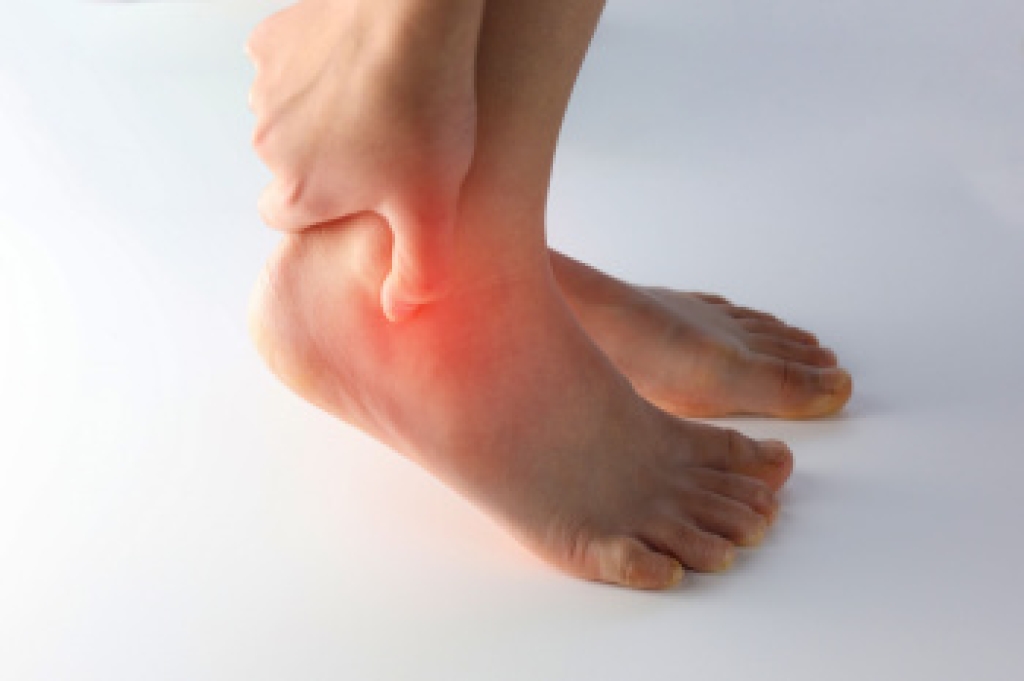
The biomechanics of the ankle involve a complex system of bones, ligaments, and tendons, that allow the foot to move smoothly when walking, running, and standing. The ankle and foot work together to provide balance, absorb shock, and adapt to different surfaces. When this motion becomes uneven or strained, it can lead to sprains, tendon irritation, or joint instability. Poor alignment, overuse, or sudden changes in activity can disrupt normal movement patterns. People may notice pain, swelling, or a feeling of weakness when the ankle is not functioning properly. A podiatrist can evaluate gait, assess joint motion, and identify areas of imbalance that may be contributing to injury. Treatment may include supportive devices or targeted care to restore proper function. If you have ankle pain, it is suggested that you consult a podiatrist who can offer effective relief options.

If you have any concerns about your feet, contact Dr. Scott Peters from Ankle & Foot Walk-In Clinic. Our doctor can provide the care you need to keep you pain-free and on your feet.

Biomechanics in Podiatry

Podiatric biomechanics is a particular sector of specialty podiatry with licensed practitioners who are trained to diagnose and treat conditions affecting the foot, ankle and lower leg. Biomechanics deals with the forces that act against the body, causing an interference with the biological structures. It focuses on the movement of the ankle, the foot and the forces that interact with them.

A History of Biomechanics

  • Biomechanics dates back to the BC era in Egypt where evidence of professional foot care has been recorded.
  • In 1974, biomechanics gained a higher profile from the studies of Merton Root, who claimed that by changing or controlling the forces between the ankle and the foot, corrections or conditions could be implemented to gain strength and coordination in the area.

Modern technological improvements are based on past theories and therapeutic processes that provide a better understanding of podiatric concepts for biomechanics. Computers can provide accurate information about the forces and patterns of the feet and lower legs.

Understanding biomechanics of the feet can help improve and eliminate pain, stopping further stress to the foot.

If you have any questions please feel free to contact our office located in Mayfield Village, OH . We offer the newest diagnostic and treatment technologies for all your foot and ankle needs.

Read more about Biomechanics in Podiatry

Do Your Child's Feet Hurt?

Have your child's feet been examined lately? Healthy feet are happy feet. If your child is complaining of foot pain, it may be a sign of underlying problems.

Causes of Swollen Feet in Older Adults

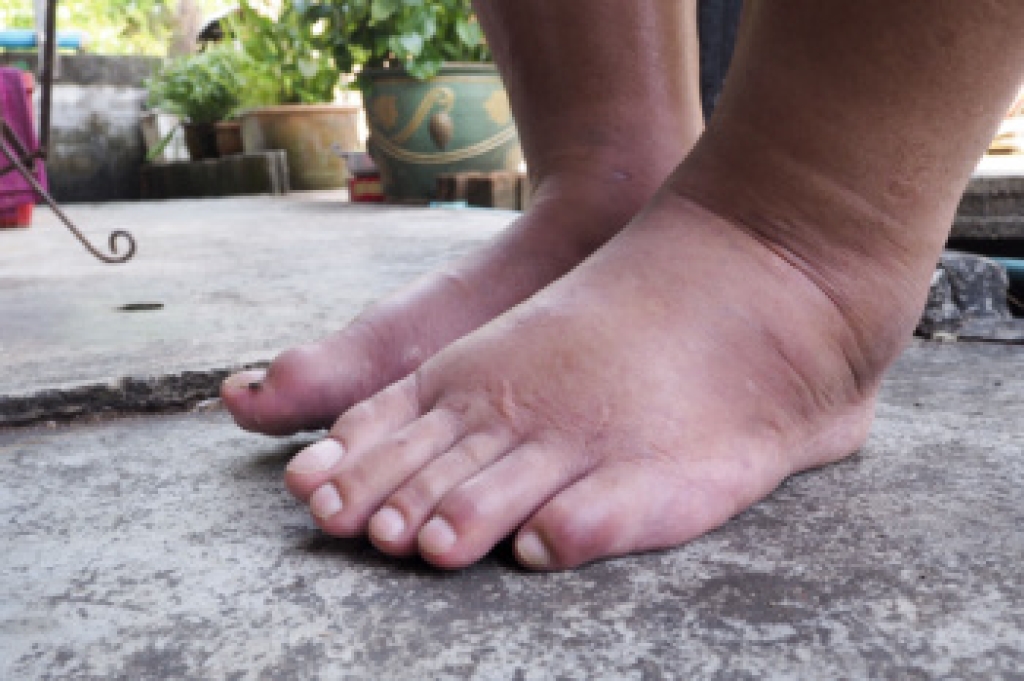
Swollen feet are common in older adults and can be linked to several underlying conditions. Heart failure may cause fluid buildup in the lower extremities, while kidney or liver disease can affect how the body manages fluids. Venous insufficiency occurs when veins have difficulty returning blood to the heart, leading to pooling in the feet and ankles. Additionally, certain medications may also contribute to swelling as a side effect. Risk factors include reduced mobility, chronic health conditions, and poor circulation. Symptoms often include puffiness, tight skin, and discomfort when walking. A podiatrist can evaluate swelling, identify contributing factors, and recommend treatments to improve circulation and comfort. If you are elderly and have any of the above risk factors, it is suggested that you consult a podiatrist who can offer effective relief and management solutions.

Swollen feet can be a sign of an underlying condition. If you have any concerns, contact Dr. Scott Peters of Ankle & Foot Walk-In Clinic. Our doctor can provide the care you need to keep you pain-free and on your feet.

Swollen feet are a common ailment among pregnant women and people who stand or sit for extended periods. Aging may increase the possibility of swollen feet and patients who are obese often notice when their feet are swelling too. There may be medical reasons why swollen feet occur:

  • Phlebitis - A condition that causes the veins to become inflamed and can also cause leg pain.
  • Liver disease - This may lead to low blood levels of albumin which is a protein. This can cause fluid in the blood to pass into the tissues and several areas of the body can become swollen.
  • Heart failure - When the heart doesn’t pump properly the blood that is normally pumped back to the heart can pool in the veins of the legs causing swollen feet.
  • Kidney disease - One of the main functions of the kidneys is releasing excess fluid in the body. This type of condition can make it difficult for the kidneys to function properly, and as a result the feet may become swollen.
  • Deep-vein thrombosis (DVT)- This is a serious condition where blood clots form in the veins of the legs. They can block the return of blood from the legs to the heart which may cause the feet to swell. It is important to be treated by a podiatrist if this condition is present.

Swollen feet can also be caused by bone and tendon conditions, including fractures, arthritis, and tendinitis. Additionally, there may be skin and toenail conditions and an infection may cause the feet to swell. Patients who take medicine to treat high blood pressure may be prone to getting swollen feet. 

Many patients elevate their feet to help relieve the swelling and this is generally a temporary remedy. When a podiatrist is consulted the reason behind the swelling can be uncovered and subsequently treated.

If you have any questions please contact our office located in Mayfield Village, OH . We offer the newest diagnostic and treatment technologies for all your foot and ankle needs.

Read more about Swelling of the Feet

Connect With Us