Monday and Thursday, patients are seen by appointment only. Can't wait to be seen? Every Tuesday we have walk-in hours from 9am to 4pm. Virtual appointments are available on Wednesdays by appointment only. Fridays are surgery days. Click the Request Appointment button below to request an appointment.

How Rheumatoid Arthritis Affects the Feet and Ankles

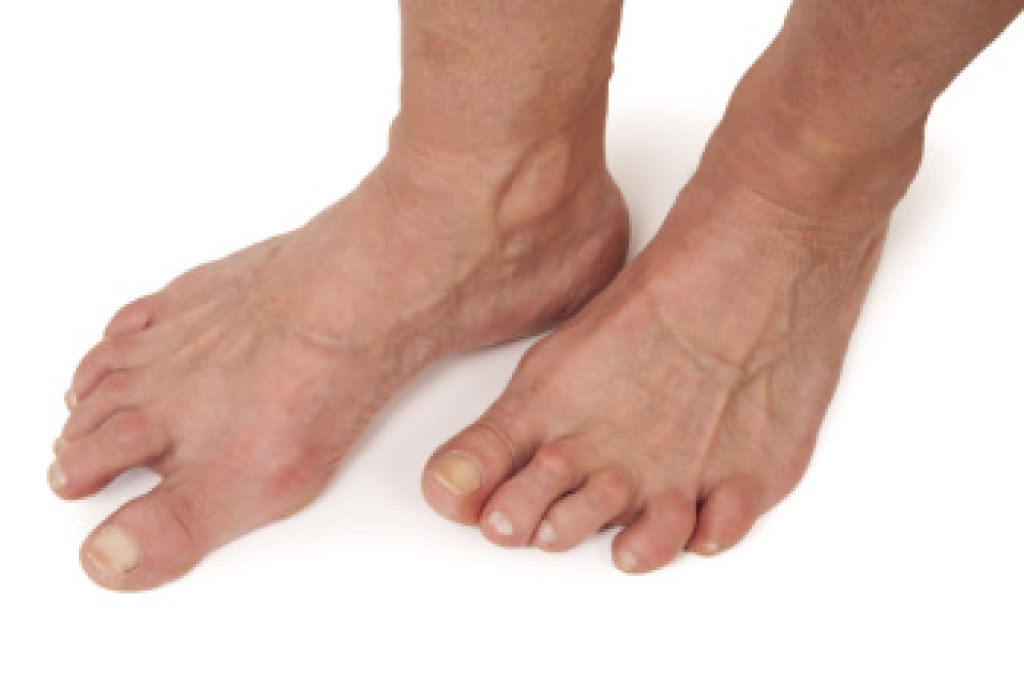
Rheumatoid arthritis is an autoimmune disease that can affect many joints throughout the body, including the feet and ankles. This occurs when the immune system mistakenly attacks healthy tissues, causing inflammation inside the joints. Because the feet contain many small joints that work together with every step, rheumatoid arthritis can make walking and standing increasingly difficult. Ongoing inflammation may damage cartilage, weaken surrounding tissues, and change the shape of the foot. Some people notice symptoms in the feet before other joints become affected. Since early treatment can help reduce joint damage and preserve mobility, a professional evaluation is important when foot pain or stiffness develops without an obvious cause.


Foot symptoms vary from person to person and may change as the disease progresses. Many people experience pain, swelling, or stiffness in the toes or the ball of the foot. Others notice warmth around the joints or tenderness that makes wearing shoes uncomfortable. Morning stiffness may last longer than expected and improve gradually as the joints begin moving. As rheumatoid arthritis advances, changes in joint alignment may affect balance, walking, and overall foot function. Persistent inflammation can also increase pressure on certain areas of the foot, leading to additional discomfort during daily activities. Identifying rheumatoid arthritis early may help protect the joints and improve long-term foot health.


A podiatrist plays an important role in managing the foot problems associated with rheumatoid arthritis. During an examination, the podiatrist evaluates joint function, foot structure, and walking mechanics to determine how the disease is affecting mobility. Treatment focuses on relieving pain, improving foot function, and helping reduce stress on the affected joints. A podiatrist may also work closely with your primary care provider or rheumatologist to support comprehensive care. Regular podiatry visits can help monitor changes in the feet and identify problems before they become more severe. If you are experiencing foot pain, swelling, or stiffness related to rheumatoid arthritis, it is suggested that you consult a podiatrist for an evaluation and appropriate treatment options.

Because RA affects more than just your joints, including the joints in your feet and ankles, it is important to seek early diagnosis from your podiatrist if you feel like the pain in your feet might be caused by RA. For more information, contact Dr. Scott Peters of Ankle & Foot Walk-In Clinic. Our doctor will assist you with all of your podiatric concerns.

What Is Rheumatoid Arthritis?

Rheumatoid Arthritis (RA) is an autoimmune disorder in which the body’s own immune system attacks the membranes surrounding the joints. Inflammation of the lining and eventually the destruction of the joint’s cartilage and bone occur, causing severe pain and immobility.

Rheumatoid Arthritis of the Feet

Although RA usually attacks multiple bones and joints throughout the entire body, almost 90 percent of cases result in pain in the foot or ankle area.

Symptoms

  • Swelling and pain in the feet
  • Stiffness in the feet
  • Pain on the ball or sole of feet
  • Joint shift and deformation

Diagnosis

Quick diagnosis of RA in the feet is important so that the podiatrist can treat the area effectively. Your doctor will ask you about your medical history, occupation, and lifestyle to determine the origin of the condition. Rheumatoid Factor tests help to determine if someone is affected by the disease.

If you have any questions, please feel free to contact our office located in Mayfield Village, OH . We offer the newest diagnostic and treatment technologies for all your foot care needs.


Read more about Rheumatoid Arthritis in the Feet

Causes and Everyday Triggers of Heel Pain

Heel pain is a common foot condition that affects people of all ages and activity levels. It refers to discomfort or inflammation at the bottom or back of the heel, often interfering with walking, standing, and daily function. One of the most recognized causes is plantar fasciitis, but heel pain may also result from nerve-related conditions such as neuroma, overuse injuries, or structural imbalances. This condition can develop gradually or appear suddenly, depending on the underlying cause. Early recognition is important because untreated heel pain may worsen and lead to chronic mobility issues.

Symptoms of heel pain vary, but often include sharp or stabbing pain with the first steps in the morning, aching after long periods of standing, or tenderness when pressure is applied to the heel. Some individuals notice swelling or warmth, while others feel a burning sensation if a nerve is involved. Pain may improve with movement but return after rest. These patterns are key indicators that help identify the source of discomfort and guide proper treatment.


Several risk factors increase the likelihood of developing heel pain. Obesity places added stress on the heel with each step, which can strain the plantar fascia and surrounding structures. Wearing bad-fitting shoes, especially those lacking arch support or cushioning, contributes to poor foot alignment and repetitive stress. Heel injuries from sports or accidents can also lead to long-term pain if not properly treated. Physically active individuals, particularly runners and those in high-impact sports, are at greater risk due to repetitive strain. Middle-aged adults are more prone to it as natural tissue elasticity declines. Pregnancy is another contributing factor due to weight gain and hormonal changes that affect ligament flexibility.


Understanding the causes of heel pain allows individuals to take proactive steps, such as selecting supportive footwear, managing weight, and modifying activity levels. Early intervention can prevent complications and restore comfort. If you have heel pain, it is strongly suggested that you consult a podiatrist for an accurate diagnosis and appropriate treatment.

Many people suffer from bouts of heel pain. For more information, contact Dr. Scott Peters of Ankle & Foot Walk-In Clinic. Our doctor can provide the care you need to keep you pain-free and on your feet.

Causes of Heel Pain

Heel pain is often associated with plantar fasciitis. The plantar fascia is a band of tissues that extends along the bottom of the foot. A rip or tear in this ligament can cause inflammation of the tissue.

Achilles tendonitis is another cause of heel pain. Inflammation of the Achilles tendon will cause pain from fractures and muscle tearing. Lack of flexibility is also another symptom.

Heel spurs are another cause of pain. When the tissues of the plantar fascia undergo a great deal of stress, it can lead to ligament separation from the heel bone, causing heel spurs.

Why Might Heel Pain Occur?

  • Wearing ill-fitting shoes                
  • Wearing non-supportive shoes
  • Weight change           
  • Excessive running

Treatments

Heel pain should be treated as soon as possible for immediate results. Keeping your feet in a stress-free environment will help. If you suffer from Achilles tendonitis or plantar fasciitis, applying ice will reduce the swelling. Stretching before an exercise like running will help the muscles. Using all these tips will help make heel pain a condition of the past.

If you have any questions, please feel free to contact our office located in Mayfield Village, OH . We offer the newest diagnostic and treatment technologies for all your foot care needs.

Read more about Heel Pain

Why Live with Pain and Numbness in Your Feet?

Suffering from this type of pain? You may have the foot condition known as Morton's neuroma. Morton's neuroma may develop as a result of ill-fitting footwear and existing foot deformities. We can help.

Preventing Diabetic Foot Complications Through Proper Care

Diabetes is a metabolic condition that affects the body's ability to regulate blood sugar levels. Over time, high glucose levels can damage blood vessels and nerves, particularly in the lower extremities. This can lead to a range of diabetic foot problems, including neuropathy, infections, and delayed wound healing. Understanding how diabetes affects the feet is essential for prevention and maintaining mobility.

Symptoms of diabetic foot complications often begin subtly. Patients may experience numbness, tingling, or a reduced ability to feel pain or temperature changes. This condition, known as diabetic neuropathy, increases the risk of unnoticed injuries. Blisters, cuts, or pressure sores can quickly develop into ulcers if not addressed. In more advanced cases, poor circulation can cause skin discoloration, slow healing, and increased susceptibility to infection.


Several risk factors contribute to diabetic foot problems. Poor blood sugar control is the most significant, but other factors include smoking, obesity, and lack of physical activity. Wearing tight or poorly fitted shoes can create pressure points that lead to skin breakdown. Inadequate foot hygiene and failure to inspect the feet regularly also increase the risk of complications. Identifying these risk factors early allows patients to take control of their foot health.


Effective diabetic foot care involves a consistent routine that includes daily inspection, proper hygiene, and protective footwear. Patients should avoid walking barefoot and should trim nails carefully to prevent injury. Routine podiatry visits are critical for early detection and treatment of potential issues. Preventive care plays a major role in avoiding serious complications. If you have diabetes, it is strongly suggested that you are under the care of a podiatrist who can offer relief and management solutions.

Diabetic foot care is important in preventing foot ailments such as ulcers. If you are suffering from diabetes or have any other concerns about your feet, contact Dr. Scott Peters from Ankle & Foot Walk-In Clinic. Our doctor can provide the care you need to keep you pain-free and on your feet.

Diabetic Foot Care

Diabetes affects millions of people every year. The condition can damage blood vessels in many parts of the body, especially the feet. Because of this, taking care of your feet is essential if you have diabetes, and having a podiatrist help monitor your foot health is highly recommended.

The Importance of Caring for Your Feet

  • Routinely inspect your feet for bruises or sores.
  • Wear socks that fit your feet comfortably.
  • Wear comfortable shoes that provide adequate support.

Patients with diabetes should have their doctor monitor their blood levels, as blood sugar levels play such a huge role in diabetic care. Monitoring these levels on a regular basis is highly advised.

It is always best to inform your healthcare professional of any concerns you may have regarding your feet, especially for diabetic patients. Early treatment and routine foot examinations are keys to maintaining proper health, especially because severe complications can arise if proper treatment is not applied.

If you have any questions, please feel free to contact our office located in Mayfield Village, OH . We offer the newest diagnostic and treatment technologies for all your foot care needs.

Read more about Diabetic Foot Conditions

Swollen Big Toe Causes and Symptoms

A swollen big toe can make walking uncomfortable and interfere with daily activities. The swelling may develop suddenly or gradually, depending on the cause. In some cases, the toe becomes red, warm, and painful. Other symptoms include stiffness, tenderness, or difficulty wearing shoes. Several conditions can lead to a swollen big toe, including gout, bunions, and arthritis. Gout is a type of arthritis caused by a buildup of uric acid crystals in a joint. Bunions are bony bumps that form near the base of the big toe. Arthritis causes joint inflammation and can limit movement. A podiatrist can identify the source of the swelling and determine the most appropriate treatment.

Because different conditions can create similar symptoms, a professional evaluation is important. Symptoms associated with a swollen big toe vary according to the underlying condition. Some patients experience sharp pain and redness. Others develop stiffness and reduced motion. A swollen toe caused by an injury can include bruising, tenderness, and difficulty putting weight on the foot. Additional signs include warmth around the joint. Some patients notice a visible bump near the side or top of the toe. A podiatrist performs a physical examination and reviews medical history. Diagnostic testing may include X-rays or other scans to help confirm the cause.

Treatment focuses on reducing pain, controlling inflammation, and improving function. A podiatrist may recommend medication for gout-related swelling or provide treatment for arthritis symptoms. Structural problems, such as bunions, can require custom treatment plans designed to reduce pressure on the joint. When an injury is responsible, a podiatrist can evaluate the severity of the damage and recommend appropriate care. Early diagnosis helps prevent additional joint problems and can improve comfort while walking. If your big toe is swollen and painful, it is suggested that you schedule an appointment with a podiatrist for an accurate diagnosis and effective treatment solutions.

Toe pain can disrupt your daily activities. If you have any concerns, contact Dr. Scott Peters of Ankle & Foot Walk-In Clinic. Our doctor can provide the care you need to keep you pain-free and on your feet.

What Causes Toe Pain?

Most severe toe pain is caused due to a sports injury, trauma from dropping something heavy on the toe, or bumping into something rigid. Other problems can develop over time for various reasons.

Toe pain can be caused by one or more ailments. The most common include:

  • Trauma
  • Sports injury
  • Wearing shoes that are too tight
  • Arthritis
  • Gout
  • Corns and calluses
  • Hammertoe
  • Bunions
  • Blisters
  • Ingrown toenails
  • Sprains
  • Fractures (broken bones)
  • Dislocations

When to See a Podiatrist

  • Severe pain
  • Persistent pain that lasts more than a week
  • Signs of infection
  • Continued swelling
  • Pain that prevents walking

Diagnosis

In many cases the cause of toe pain is obvious, but in others, a podiatrist may want to use more advanced methods to determine the problem. These can range from simple visual inspections and sensation tests to X-rays and MRI scans. Prior medical history, family medical history, and any recent physical traumatic events will all be taken into consideration for a proper diagnosis.

Treatment

Treatments for toe pain and injuries vary and may include shoe inserts, padding, taping, medicines, injections, and in some cases, surgery. If you believe that you have broken a toe, please see a podiatrist as soon as possible.

If you have any questions please contact our office located in Mayfield Village, OH . We offer the newest diagnostic and treatment technologies for all your foot and ankle needs.

Read more about Toe Pain

Connect With Us