Monday and Thursday, patients are seen by appointment only. Can't wait to be seen? Every Tuesday we have walk-in hours from 9am to 4pm. Virtual appointments are available on Wednesdays by appointment only. Fridays are surgery days. Click the Request Appointment button below to request an appointment.

Preventing Falls in Pickleball and Staying Safe on the Court

Pickleball is a fast-growing sport that requires quick movements and balance. However, falls can occur due to wearing improper footwear, poor court movement, and lack of preparation. Shoes without proper grip or support increase slipping risk, while sudden direction changes without training can strain feet and ankles. Inadequate warm-up and conditioning also reduces stability and reaction time. Learning proper footwork, practicing controlled movements, and wearing court-specific shoes can significantly lower injury risk. A podiatrist can evaluate foot mechanics, recommend supportive footwear, and provide custom orthotics or exercises to improve strength and alignment. Taking these steps helps players stay confident and safe. If you have developed a foot and ankle injury from pickleball or fallen on the court, it is suggested that you consult a podiatrist who can offer effective treatment solutions and fall prevention tips.

Preventing falls among the elderly is very important. If you are older and have fallen or fear that you are prone to falling, consult with Dr. Scott Peters from Ankle & Foot Walk-In Clinic. Our doctor will assess your condition and provide you with quality advice and care.

Every 11 seconds, an elderly American is being treated in an emergency room for a fall related injury. Falls are the leading cause of head and hip injuries for those 65 and older. Due to decreases in strength, balance, senses, and lack of awareness, elderly persons are very susceptible to falling. Thankfully, there are a number of things older persons can do to prevent falls.

How to Prevent Falls

Some effective methods that older persons can do to prevent falls include:

  • Enrolling in strength and balance exercise program to increase balance and strength
  • Periodically having your sight and hearing checked
  • Discuss any medications you have with a doctor to see if it increases the risk of falling
  • Clearing the house of falling hazards and installing devices like grab bars and railings
  • Utilizing a walker or cane
  • Wearing shoes that provide good support and cushioning
  • Talking to family members about falling and increasing awareness

Falling can be a traumatic and embarrassing experience for elderly persons; this can make them less willing to leave the house, and less willing to talk to someone about their fears of falling. Doing such things, however, will increase the likelihood of tripping or losing one’s balance. Knowing the causes of falling and how to prevent them is the best way to mitigate the risk of serious injury.  

If you have any questions, please feel free to contact our office located in Mayfield Village, OH . We offer the newest diagnostic and treatment technologies for all your foot care needs.

Read more about Falls Prevention

When the Big Toe Loses Its Motion

A stiff big toe is often caused by a condition called hallux limitus or hallux rigidus, which means the joint at the base of the big toe has limited or very little movement. This problem usually develops over time, beginning with discomfort when walking or bending the toe and gradually progressing to more constant pain and stiffness. The joint may look swollen or enlarged, and some patients notice a firm bump on the top of the toe. Activities that require push off, such as walking uphill or running, can become difficult and uncomfortable. Common causes include arthritis, repetitive stress, prior injury, or foot structure that places extra pressure on the joint. A podiatrist can evaluate movement and may use imaging to understand the severity. Treatment options include supportive footwear, custom orthotics, and targeted exercises to help maintain motion. In more advanced cases, surgery may be considered. If you have a stiff big toe, it is suggested that you make an appointment with a podiatrist.

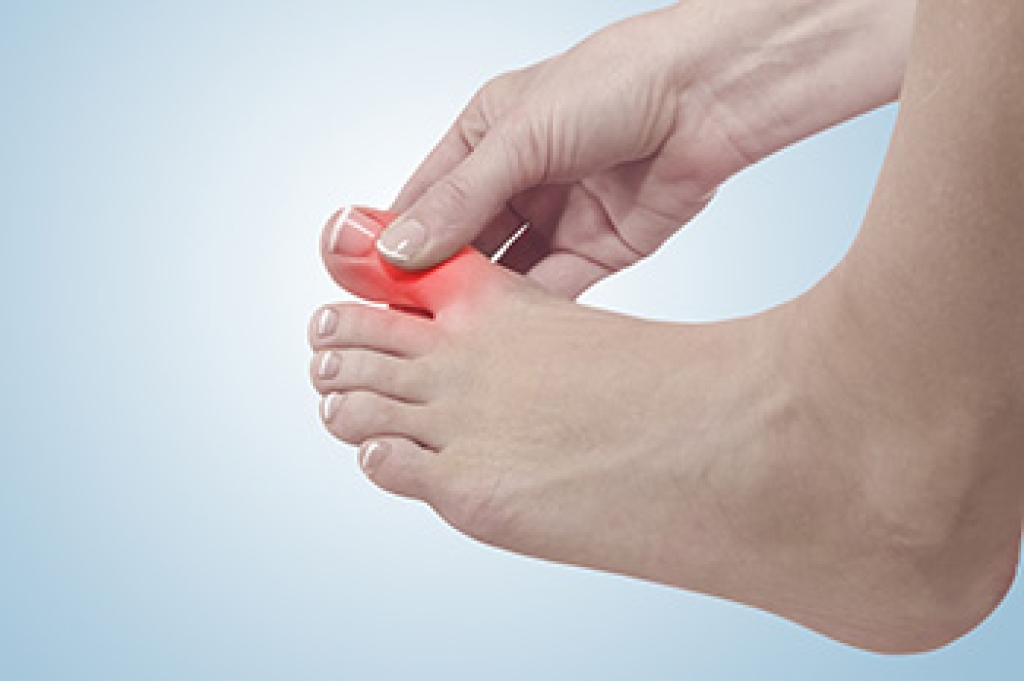
Toe pain can disrupt your daily activities. If you have any concerns, contact Dr. Scott Peters of Ankle & Foot Walk-In Clinic. Our doctor can provide the care you need to keep you pain-free and on your feet.

What Causes Toe Pain?

Most severe toe pain is caused due to a sports injury, trauma from dropping something heavy on the toe, or bumping into something rigid. Other problems can develop over time for various reasons.

Toe pain can be caused by one or more ailments. The most common include:

  • Trauma
  • Sports injury
  • Wearing shoes that are too tight
  • Arthritis
  • Gout
  • Corns and calluses
  • Hammertoe
  • Bunions
  • Blisters
  • Ingrown toenails
  • Sprains
  • Fractures (broken bones)
  • Dislocations

When to See a Podiatrist

  • Severe pain
  • Persistent pain that lasts more than a week
  • Signs of infection
  • Continued swelling
  • Pain that prevents walking

Diagnosis

In many cases the cause of toe pain is obvious, but in others, a podiatrist may want to use more advanced methods to determine the problem. These can range from simple visual inspections and sensation tests to X-rays and MRI scans. Prior medical history, family medical history, and any recent physical traumatic events will all be taken into consideration for a proper diagnosis.

Treatment

Treatments for toe pain and injuries vary and may include shoe inserts, padding, taping, medicines, injections, and in some cases, surgery. If you believe that you have broken a toe, please see a podiatrist as soon as possible.

If you have any questions please contact our office located in Mayfield Village, OH . We offer the newest diagnostic and treatment technologies for all your foot and ankle needs.

Read more about Toe Pain

Wounds That Don't Heal Need to Be Checked

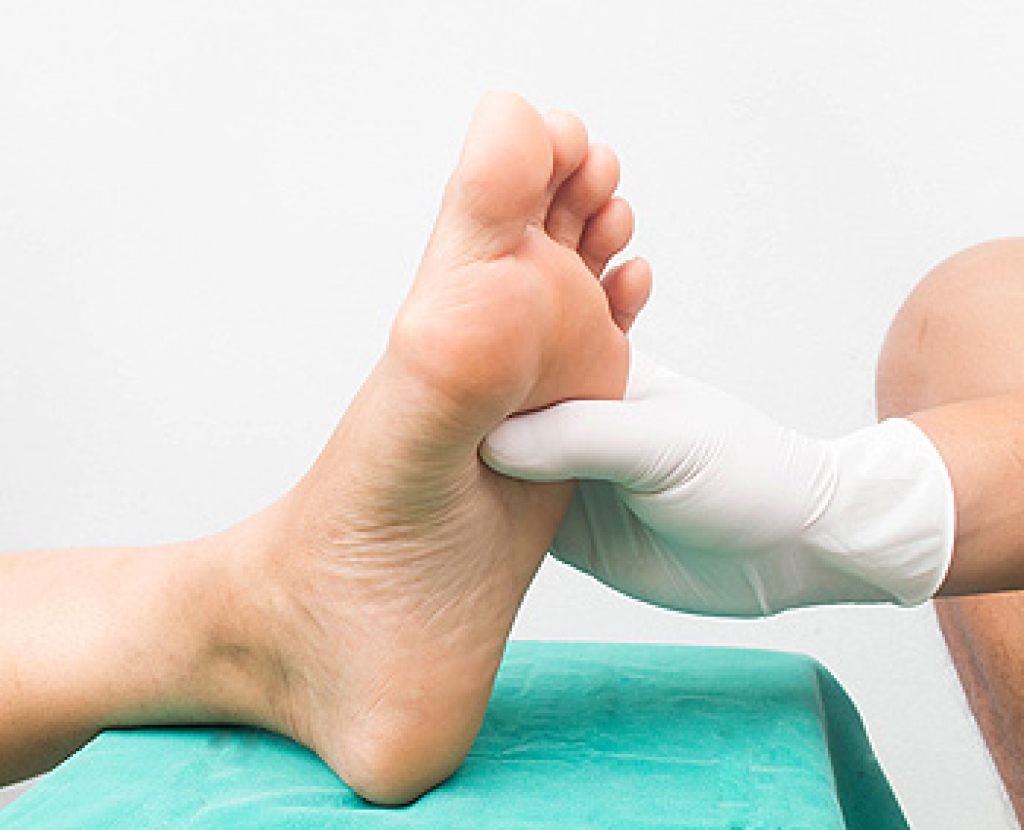
Your feet are covered most of the day. If you're diabetic, periodic screening is important for good health. Numbness is often a sign of diabetic foot and can mask a sore or wound.

How Diabetes Affects Foot Health

Diabetes can lead to serious foot problems by affecting circulation and nerve function. Reduced blood flow may slow healing, while peripheral neuropathy can cause numbness, making it difficult to feel injuries. This increases the risk of unnoticed cuts, ulcers, and infections. Risk factors include poor blood sugar control, long-term diabetes, and improper footwear. Daily foot checks and proper foot hygiene are essential for prevention. A podiatrist can monitor changes, treat wounds early, and provide guidance on protective footwear. If you have diabetes and notice changes in your feet, it is strongly suggested that you are under the care of a podiatrist who can help you to manage this serious condition.

Diabetic foot care is important in preventing foot ailments such as ulcers. If you are suffering from diabetes or have any other concerns about your feet, contact Dr. Scott Peters from Ankle & Foot Walk-In Clinic. Our doctor can provide the care you need to keep you pain-free and on your feet.

Diabetic Foot Care

Diabetes affects millions of people every year. The condition can damage blood vessels in many parts of the body, especially the feet. Because of this, taking care of your feet is essential if you have diabetes, and having a podiatrist help monitor your foot health is highly recommended.

The Importance of Caring for Your Feet

  • Routinely inspect your feet for bruises or sores.
  • Wear socks that fit your feet comfortably.
  • Wear comfortable shoes that provide adequate support.

Patients with diabetes should have their doctor monitor their blood levels, as blood sugar levels play such a huge role in diabetic care. Monitoring these levels on a regular basis is highly advised.

It is always best to inform your healthcare professional of any concerns you may have regarding your feet, especially for diabetic patients. Early treatment and routine foot examinations are keys to maintaining proper health, especially because severe complications can arise if proper treatment is not applied.

If you have any questions, please feel free to contact our office located in Mayfield Village, OH . We offer the newest diagnostic and treatment technologies for all your foot care needs.
Read more about Diabetic Foot Care

Dark Vertical Toenail Streaks Linked to Infection

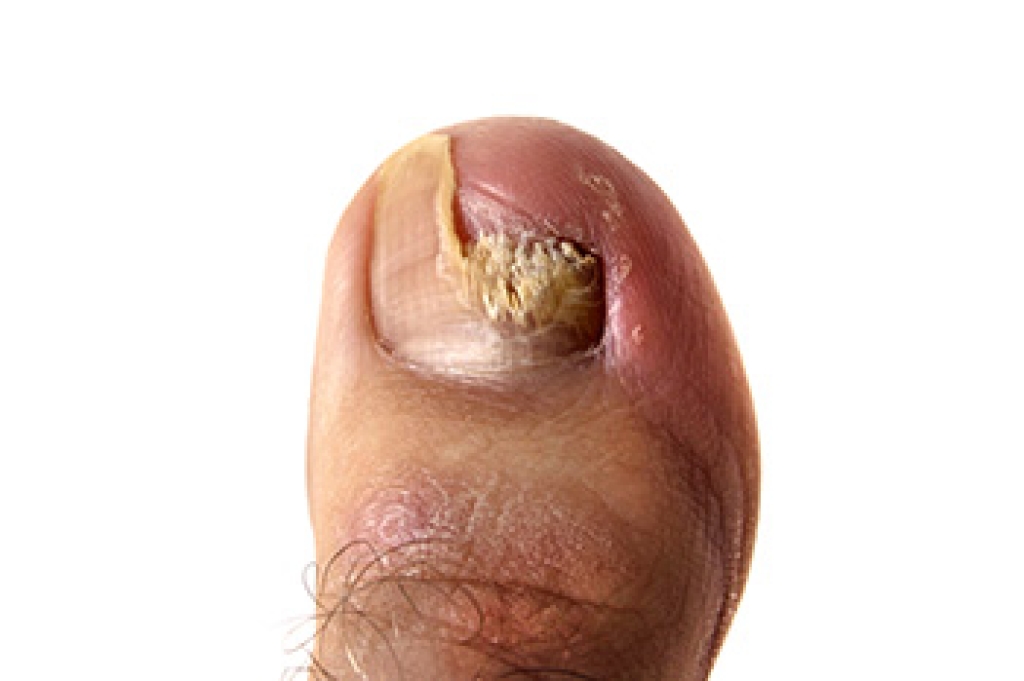
A single dark line running lengthwise along the toenail can be concerning and is not always due to injury or pigmentation changes. In some cases, it may be caused by an infection that affects the nail structure and alters its color. This type of presentation can be mistaken for more serious conditions, which makes early assessment important. The discoloration often appears as a narrow stripe and may slowly change, over time. Contributing factors can include trauma, a weakened immune response, or prolonged exposure to moist environments. Because the appearance can resemble other nail disorders, proper diagnosis is essential to guide treatment. A podiatrist can examine the nail, determine the cause, and recommend appropriate care to restore nail health. If you notice a persistent dark streak on your toenail, it is suggested that you seek podiatric advice promptly to ensure an accurate diagnosis and effective management.

If left untreated, toenail fungus may spread to other toenails, skin, or even fingernails. If you suspect you have toenail fungus it is important to seek treatment right away. For more information about treatment, contact Dr. Scott Peters of Ankle & Foot Walk-In Clinic. Our doctor can provide the care you need to keep you pain-free and on your feet.

Symptoms

  • Warped or oddly shaped nails
  • Yellowish nails
  • Loose/separated nail
  • Buildup of bits and pieces of nail fragments under the nail
  • Brittle, broken, thickened nail

Treatment

If self-care strategies and over-the-counter medications does not help your fungus, your podiatrist may give you a prescription drug instead. Even if you find relief from your toenail fungus symptoms, you may experience a repeat infection in the future.

Prevention

In order to prevent getting toenail fungus in the future, you should always make sure to wash your feet with soap and water. After washing, it is important to dry your feet thoroughly especially in between the toes. When trimming your toenails, be sure to trim straight across instead of in a rounded shape. It is crucial not to cover up discolored nails with nail polish because that will prevent your nail from being able to “breathe”.

In some cases, surgical procedure may be needed to remove the toenail fungus. Consult with your podiatrist about the best treatment options for your case of toenail fungus.  

If you have any questions please contact our office located in Mayfield Village, OH . We offer the newest diagnostic and treatment technologies for all your foot and ankle needs.

Read more about Toenail Fungus

Connect With Us