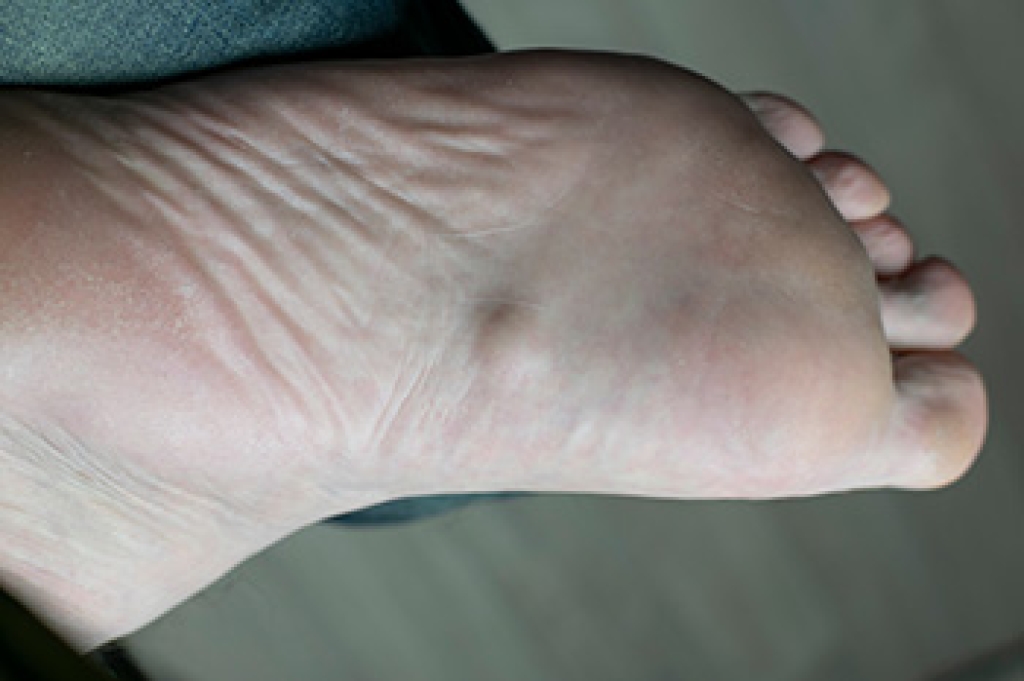
How Podiatric Care Can Manage Plantar Fibroma Discomfort

A plantar fibroma is a benign, non-cancerous growth that develops within the plantar fascia. This strong band of tissue runs along the bottom of the foot and supports the arch. A plantar fibroma usually appears as a firm lump within the arch. It may be small at first but can become more noticeable over time. Although the growth is not cancerous, it can cause discomfort while walking or standing. Early evaluation can help identify the cause of a new lump.

The exact cause of plantar fibroma is not always known. Repeated stress on the plantar fascia may contribute to its development. Risk factors can include family history, certain foot mechanics, and repeated pressure on the arch. People with conditions that affect connective tissue may also have an increased risk. Additionally, wearing shoes that place pressure directly over the lump can make symptoms more noticeable. Some people have no pain, while others develop tenderness or aching during activity.


Plantar fibroma symptoms commonly include a firm, noticeable nodule in the arch. The lump may feel tender when pressed or when standing for long periods of time. Walking barefoot on hard surfaces can make discomfort more noticeable. Tight shoes may also rub against the growth and increase irritation. A podiatrist can examine the foot and discuss your symptoms and medical history. Imaging, such as an ultrasound or an MRI scan, may be recommended when the diagnosis needs clarification.


Treatment depends on the size of the fibroma and how much it affects your daily activities. A podiatrist may begin with footwear changes, padding, or custom orthotics to reduce pressure on the growth.Your podiatrist may monitor the fibroma over time if symptoms remain mild, and more persistent cases may require additional treatment options. If you have a plantar fibroma, it is suggested that you consult a podiatrist for an accurate diagnosis and appropriate treatment.

A plantar fibroma may disrupt your daily activities. If you have any concerns, contact Dr. Scott Peters of Ankle & Foot Walk-In Clinic. Our doctor can provide the care you need to keep you pain-free and on your feet.

Plantar Fibroma

A plantar fibroma is a fibrous knot in the arch of the foot. It is embedded in the plantar fascia which is a band of tissue that extends from the heel to the toes along the bottom of the foot. There can be multiple plantar fibromas in the feet at the same time. There are no known causes for this condition. If you have a plantar fibroma, there will be a bump in the arch of your foot that cannot be missed. Any associated pain is most often due to a shoe rubbing against the nodule. Non-surgical options, such as steroid injections, physical therapy, and orthotics should be tried first. Surgery is a last resort and is the only thing that will remove a plantar fibroma entirely. Consult with a podiatrist for a proper diagnosis and to determine the treatment regimen that is right for you.

What Causes a Plantar Fibroma?

While there are no specific causes identified, a plantar fibroma can possibly come from genetic predisposition or the formation of scar tissue that forms from healing the tears in the plantar fascia.

What Are the Symptoms of a Plantar Fibroma?

There will be a noticeable lump in the arch of the foot that may or may not cause pain. If pain is felt, it is typically because a shoe is rubbing up against the lump or when walking or standing barefoot.

Treatment and Prevention

A plantar fibroma will not disappear without treatment, but it can get smaller and be a non-issue. If pain persists, a podiatrist examines the foot and when the arch of the foot is pressed, pain can be felt down to the toes. An MRI or biopsy might be performed to help diagnose or evaluate the plantar fibroma. The following non-surgical options are generally enough to reduce the size and pain of these nodules:

  • Steroid injections
  • Orthotics
  • Physical therapy to help apply anti-inflammatory creams on the bump 

Surgery is considered if the mass increases in size and the patient continues to feel pain after non-surgical methods are tried.

If you have any questions, please feel free to contact our office located in Mayfield Village, OH . We offer the newest diagnostic and treatment technologies for all your foot care needs.

Read more about Plantar Fibroma

Causes of Ankle Pain Without an Injury

Ankle pain without a direct injury can seem unexpected, but several conditions can cause discomfort without a clear accident or fall. Arthritis, gout, and Achilles tendon injuries are among some of the problems that can all affect the ankle. Arthritis can cause pain, stiffness, and tenderness when the joint changes. Gout is a type of arthritis that can cause sudden, severe pain when crystals build up inside a joint. Bursitis develops when small fluid-filled sacs near the ankle become irritated. Fallen arches can also place extra stress on the feet and ankles. In addition, repeated activity can irritate the Achilles tendon, which connects the calf muscle to the heel.

A podiatrist can examine the foot and ankle to help determine what is causing the pain. The evaluation can include checking the ankle's movement, looking for swelling, and examining areas of tenderness. A podiatrist can also review your symptoms and ask about your activity level, previous foot or ankle problems, and other health conditions that could relate to the pain. Imaging tests can provide additional information when a structural problem is suspected. X-rays can show changes in bones and joints, while an ultrasound can help identify problems involving tendons. Finding the cause is important because treatment depends on what is behind the ankle pain.

Once the cause has been identified, a podiatrist can recommend an appropriate treatment plan. Treatment can include wearing supportive shoes or inserts, bracing, or medication, when appropriate. Some conditions require more specialized treatment, while severe tendon or joint problems can sometimes require surgery. A podiatrist can also monitor your progress and make changes to treatment based on your symptoms and examination findings. Ankle pain that appears without a direct injury should not be ignored, particularly when it is persistent, severe, or accompanied by swelling or stiffness. If you have ankle pain without direct injury, it is suggested that you schedule an appointment with a podiatrist for a diagnosis and appropriate treatment.

Ankle pain can have many different causes and the pain may potentially be serious. If you have ankle pain, consult with Dr. Scott Peters  from Ankle & Foot Walk-In Clinic. Our doctor will assess your condition and provide you with quality foot and ankle treatment.

Ankle pain is any condition that causes pain in the ankle. Due to the fact that the ankle consists of tendons, muscles, bones, and ligaments, ankle pain can come from a number of different conditions.

Causes

The most common causes of ankle pain include:

  • Types of arthritis (rheumatoid, osteoarthritis, and gout)
  • Ankle sprains
  • Broken ankles
  • Achilles tendinitis
  • Achilles tendon rupture
  • Stress fractures
  • Tarsal tunnel syndrome
  • Plantar fasciitis

Symptoms

Symptoms of ankle injury vary based upon the condition. Pain may include general pain and discomfort, swelling, aching, redness, bruising, burning or stabbing sensations, and/or loss of sensation.

Diagnosis

Due to the wide variety of potential causes of ankle pain, podiatrists will utilize a number of different methods to properly diagnose ankle pain. This can include asking for personal and family medical histories and of any recent injuries. Further diagnosis may include sensation tests, a physical examination, and potentially x-rays or other imaging tests.

Treatment

Just as the range of causes varies widely, so do treatments. Some more common treatments are rest, ice packs, keeping pressure off the foot, orthotics and braces, medication for inflammation and pain, and surgery.

If you have any questions please feel free to contact our office located in Mayfield Village, OH . We offer the newest diagnostic tools and technology to treat your foot and ankle needs.

Read more about Ankle Pain

How Podiatrists Treat Diabetic Foot Ulcers

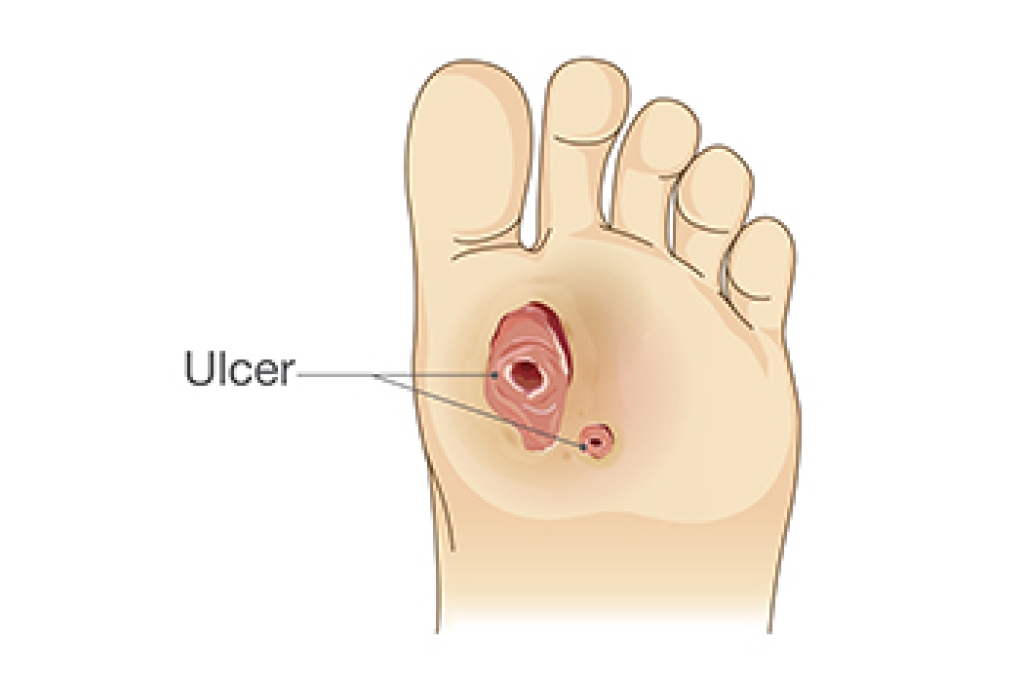
Diabetic foot ulcers are open sores that develop when skin breaks down and does not heal properly. Diabetes can damage nerves in the feet, reducing the ability to feel pain from a cut or blister. It can also narrow blood vessels and limit the flow of oxygen-rich blood needed for healing. As a result, a small injury can worsen before a patient notices it. Warning signs include redness, swelling, and drainage. Some ulcers cause pain, while others remain painless because of nerve damage.

Several factors raise the risk of an ulcer. Poor blood-sugar control, a previous ulcer, and reduced circulation can make skin more likely to break down. Foot shape changes can create areas of repeated pressure. Shoes that fit poorly can also cause rubbing or crowd the toes. Without prompt care, an ulcer can become infected and damage deeper tissue, sometimes spreading to a bone or joint. Severe cases can lead to tissue death, hospitalization, or limb loss. Early evaluation gives the foot a better chance to heal and lowers the risk of serious complications.

A podiatrist can examine the sore, measure its depth, and check the foot for infection. The examination also includes testing sensation and circulation. X-rays or other imaging tests can show whether a bone has been affected. Treatment includes cleaning the wound, removing unhealthy tissue, and applying protective dressings. A podiatrist can use padding, a special boot, or a cast to reduce pressure on the ulcer. This pressure relief, called off-loading, gives the damaged area a better chance to close. The podiatrist can also recommend properly fitted shoes and schedule ongoing wound checks. Surgery is sometimes required for advanced damage. If you have diabetes and have developed a foot ulcer, it is strongly suggested that you are under the care of a podiatrist who can help you to manage this serious condition. 

Diabetic foot care is important in preventing foot ailments such as ulcers. If you are suffering from diabetes or have any other concerns about your feet, contact Dr. Scott Peters from Ankle & Foot Walk-In Clinic. Our doctor can provide the care you need to keep you pain-free and on your feet.

Diabetic Foot Care

Diabetes affects millions of people every year. The condition can damage blood vessels in many parts of the body, especially the feet. Because of this, taking care of your feet is essential if you have diabetes, and having a podiatrist help monitor your foot health is highly recommended.

The Importance of Caring for Your Feet

  • Routinely inspect your feet for bruises or sores.
  • Wear socks that fit your feet comfortably.
  • Wear comfortable shoes that provide adequate support.

Patients with diabetes should have their doctor monitor their blood levels, as blood sugar levels play such a huge role in diabetic care. Monitoring these levels on a regular basis is highly advised.

It is always best to inform your healthcare professional of any concerns you may have regarding your feet, especially for diabetic patients. Early treatment and routine foot examinations are keys to maintaining proper health, especially because severe complications can arise if proper treatment is not applied.

If you have any questions, please feel free to contact our office located in Mayfield Village, OH . We offer the newest diagnostic and treatment technologies for all your foot care needs.

Read more about Diabetic Foot Conditions

Are Bunions Affecting Your Everyday Life?

Have you noticed a bony protrusion on the side of your big toe? If so, you may have developed the foot condition known as a bunion. Don't let bunions interfere with your daily activities.

Why High Heels Cause Foot Pain

High heels can create a polished look, but they also place extra stress on the feet. As heel height increases, more body weight shifts toward the front of the foot. This added pressure affects the toes and the ball of the foot with every step. A narrow toe box squeezes the toes together, making normal movement more difficult. High heels that lack proper support also reduce stability and increase strain on muscles and joints. This raises the risk of bunions, corns, and calluses, along with increasing the chances of an ankle sprain. Some people notice burning, numbness, or swelling after long periods of standing or while walking in high heels.

Choosing high heels carefully helps reduce stress on the feet without giving up style. A proper fit is one of the most important features. High heels that are too tight or too loose increase pressure and friction. Open-toe styles provide extra room for the toes and reduce crowding. Lower heels place less weight on the front of the foot than very high styles. A wider heel also improves balance and spreads weight more evenly. A less dramatic slope from heel to toe places less strain on the foot and ankle. Small design changes can make high heels more comfortable while helping protect the feet.

When foot pain continues from wearing high heels, a podiatrist can identify the cause and recommend the most effective treatment. An examination can determine whether pain comes from irritated joints, strained soft tissues, or changes in foot structure. Treatment includes custom orthotics, padding to reduce pressure, and care for corns or calluses. A podiatrist also treats bunions, hammertoes, and other problems before they become more severe. If you have foot pain after wearing high heels, it is suggested that you schedule an appointment with a podiatrist for effective relief tips and guidance on choosing high heels suited to your needs.

High heels have a history of causing foot and ankle problems. If you have any concerns about your feet or ankles, contact Dr. Scott Peters from Ankle & Foot Walk-In Clinic. Our doctor can provide the care you need to keep you pain-free and on your feet.

Effects of High Heels on the Feet

High heels are popular shoes among women because of their many styles and societal appeal.  Despite this, high heels can still cause many health problems if worn too frequently.

Which Parts of My Body Will Be Affected by High Heels?

  • Ankle Joints
  • Achilles Tendon – May shorten and stiffen with prolonged wear
  • Balls of the Feet
  • Knees – Heels cause the knees to bend constantly, creating stress on them
  • Back – They decrease the spine’s ability to absorb shock, which may lead to back pain.  The vertebrae of the lower back may compress.

What Kinds of Foot Problems Can Develop from Wearing High Heels?

  • Corns
  • Calluses
  • Hammertoe
  • Bunions
  • Morton’s Neuroma
  • Plantar Fasciitis

How Can I Still Wear High Heels and Maintain Foot Health?

If you want to wear high heeled shoes, make sure that you are not wearing them every day, as this will help prevent long term physical problems.  Try wearing thicker heels as opposed to stilettos to distribute weight more evenly across the feet.  Always make sure you are wearing the proper shoes for the right occasion, such as sneakers for exercising.  If you walk to work, try carrying your heels with you and changing into them once you arrive at work.  Adding inserts to your heels can help cushion your feet and absorb shock. Full foot inserts or metatarsal pads are available. 

If you have any questions, please feel free to contact our office located in Mayfield Village, OH . We offer the newest diagnostic and treatment technologies for all your foot care needs.

Read more about Why High Heels Are Not Ideal for Healthy Feet

Connect With Us