Monday and Thursday, patients are seen by appointment only. Can't wait to be seen? Every Tuesday we have walk-in hours from 9am to 4pm. Virtual appointments are available on Wednesdays by appointment only. Fridays are surgery days. Click the Request Appointment button below to request an appointment.

Education to Become a Podiatrist

There are fifty-two bones in the feet which constitute approximately one quarter of the bones in the body. People who choose to pursue a career in podiatric medicine will learn how to treat disorders, injuries, and diseases of the feet. Some of these conditions can include hammertoes, bunions, heel spurs, and foot ulcers. The education generally consists of four years of study at a podiatric medical school, preceded by earning a bachelor's degree. A residency is then begun which can last two to four years. People who have become a DPM, which is an abbreviation for doctor of podiatric medicine, can choose to work in a private practice, or treat patients in a hospital environment. If you are contemplating a career in podiatry, it is strongly suggested that you consult with a podiatrist who can help you to determine if this is the right career choice for you.

If you are dealing with pain in your feet and ankles, you may want to seek help from a podiatrist. Feel free to contact Dr. Scott Peters from Ankle & Foot Walk-In Clinic. Our doctor can provide the care you need to keep you pain-free and on your feet.

What Is a Podiatrist?

A podiatrist diagnoses and treats conditions of the foot, ankle, and related structures of the leg. Your podiatrist may specialize in a certain field such as sports medicine, wound care, pediatrics, and diabetic care. Podiatrists have the ability to become board certified through training, clinical experience, and then taking an exam.

What Do Podiatrists Do?

On a daily basis, a podiatrist may perform the following activities:

  • Diagnose foot ailments such as ulcers, tumors, fractures, etc.
  • Use innovative methods to treat conditions
  • Use corrective orthotics, casts, and strappings to correct deformities
  • Correct walking patterns and balance
  • Provide individual consultations to patients

It is very important that you take care of your feet. It’s easy to take having healthy feet for granted, however foot problems tend to be among the most common health conditions. Podiatrists can help diagnose and treat a variety of feet related conditions, so it is crucial that you visit one if you need assistance.

If you have any questions, please feel free to contact our office located in Mayfield Village, OH . We offer the newest diagnostic and treatment technologies for all your foot care needs.


Read more about What is a Podiatrist?

What Is Cuboid Syndrome?

The cuboid bone is an oddly shaped bone in the center of the foot surrounded by other bones. The calcaneocuboid (CC) is the joint between the cuboid and heel bones and plays an important part in movement and stability.  Cuboid Syndrome is a painful condition on the outside of the foot which occurs when the cuboid bone is displaced and no longer aligns with other bones, resulting in a loss of joint congruence. It may become difficult to put weight on the foot, stand, walk, or hop. Causes of cuboid syndrome may include obesity, muscle or tendon impairment, flat feet, or inappropriate footwear. If you wear shoe inserts that are poorly made, train on hard surfaces (or overtrain), you may increase your risk of developing cuboid syndrome. Imaging may not be able to detect the loss of congruence in the joint so a podiatrist will perform an examination and clinical tests to make a diagnosis and devise a treatment plan.

Cuboid syndrome, also known as cuboid subluxation, occurs when the joints and ligaments near the cuboid bone in the foot become torn. If you have cuboid syndrome, consult with Dr. Scott Peters  from Ankle & Foot Walk-In Clinic. Our doctor will assess your condition and provide you with quality foot and ankle treatment.

Cuboid syndrome is a common cause of lateral foot pain, which is pain on the outside of the foot. The condition may happen suddenly due to an ankle sprain, or it may develop slowly overtime from repetitive tension through the bone and surrounding structures.

Causes

The most common causes of cuboid syndrome include:

  • Injury – The most common cause of this ailment is an ankle sprain.
  • Repetitive Strain – Tension placed through the peroneus longus muscle from repetitive activities such as jumping and running may cause excessive traction on the bone causing it to sublux.
  • Altered Foot Biomechanics – Most people suffering from cuboid subluxation have flat feet.

Symptoms

A common symptom of cuboid syndrome is pain along the outside of the foot which can be felt in the ankle and toes. This pain may create walking difficulties and may cause those with the condition to walk with a limp.

Diagnosis

Diagnosis of cuboid syndrome is often difficult, and it is often misdiagnosed. X-rays, MRIs and CT scans often fail to properly show the cuboid subluxation. Although there isn’t a specific test used to diagnose cuboid syndrome, your podiatrist will usually check if pain is felt while pressing firmly on the cuboid bone of your foot.

Treatment

Just as the range of causes varies widely, so do treatments. Some more common treatments are ice therapy, rest, exercise, taping, and orthotics.

If you have any questions, please feel free to contact our office located in Mayfield Village, OH . We offer the newest diagnostic and treatment technologies for all your foot care needs.

Read more about All About Cuboid Syndrome

Have I Broken My Pinky Toe?

A broken pinky toe can occur from stubbing the toe, dropping a heavy object on it, or twisting it awkwardly. Although it is often difficult to distinguish from a severe bruise or sprain, certain signs can indicate a fracture. Symptoms include sharp pain, swelling, bruising, tenderness, deformity, and difficulty walking or putting weight on the foot. Prompt evaluation is important to prevent long-term issues such as misalignment or chronic pain. A podiatrist can accurately diagnose a broken pinky toe fracture using a physical examination and imaging, provide proper immobilization, offer pain management, and guide recovery. If you have symptoms of a broken pinky toe, it is suggested that you  promptly consult a podiatrist who can effectively treat this condition.

Broken toes may cause a lot of pain and should be treated as soon as possible. If you have any concerns about your feet, contact Dr. Scott Peters from Ankle & Foot Walk-In Clinic. Our doctor will treat your foot and ankle needs.

What Is a Broken Toe?

A broken toe occurs when one or more of the toe bones of the foot are broken after an injury. Injuries such as stubbing your toe or dropping a heavy object on it may cause a toe fracture.

Symptoms of a Broken Toe

  • Swelling
  • Pain (with/without wearing shoes)
  • Stiffness
  • Nail Injury

Although the injured toe should be monitored daily, it is especially important to have a podiatrist look at your toe if you have severe symptoms. Some of these symptoms include worsening or new pain that is not relieved with medication, sores, redness, or open wounds near the toe.

If you have any questions please feel free to contact our office located in Mayfield Village, OH . We offer the newest diagnostic tools and technology to treat your foot and ankle needs.

Read more about What to Know About a Broken Toe

Are Bunions Affecting Your Everyday Life?

Have you noticed a bony protrusion on the side of your big toe? If so, you may have developed the foot condition known as a bunion. Don't let bunions interfere with your daily activities.

Understanding Toenail Fungus and Treatment Options

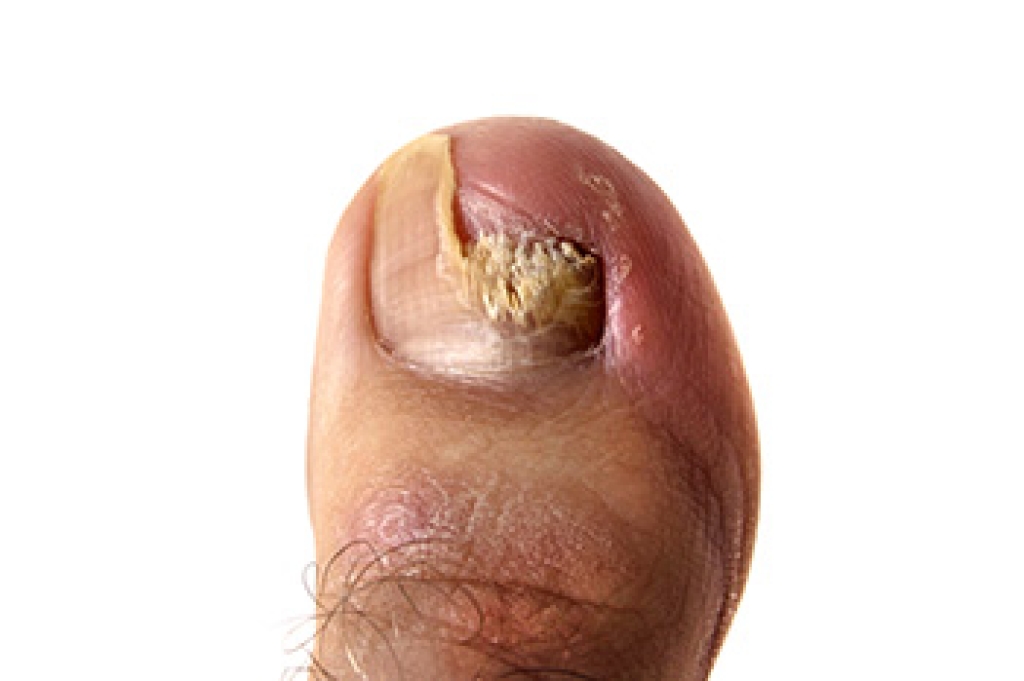
Toenail fungus is a common infection that affects the nails, causing them to become thick, brittle, and discolored. Symptoms may include yellow or white spots, nail crumbling, foul odor, and discomfort while walking. Causes often involve exposure to warm moist environments, such as public showers, gyms, or tight footwear that traps sweat. Risk factors include diabetes, poor circulation, weakened immunity, or repeated trauma to the nails. A podiatrist can diagnose the condition, provide effective treatments, such as topical or oral antifungal medications, or safe nail debridement, and offer advice on prevention. If you have symptoms of toenail fungus, it is suggested that you consult a podiatrist for treatment.

For more information about treatment, contact Dr. Scott Peters of Ankle & Foot Walk-In Clinic. Our doctor can provide the care you need to keep you pain-free and on your feet.

Toenail Fungus Treatment

Toenail fungus is a condition that affects many people and can be especially hard to get rid of. Fortunately, there are several methods to go about treating and avoiding it.

Antifungals & Deterrence

Oral antifungal medicine has been shown to be effective in many cases. It is important to consult with a podiatrist to determine the proper regiment for you, or potentially explore other options.

Applying foot powder on the feet and shoes helps keep the feet free of moisture and sweat.

Sandals or open toed shoes – Wearing these will allow air movement and help keep feet dry. They also expose your feet to light, which fungus cannot tolerate. Socks with moisture wicking material also help as well.

If you have any questions please contact our office located in Mayfield Village, OH . We offer the newest diagnostic and treatment technologies for all your foot and ankle needs.

Read more about Toenail Fungus

Connect With Us