Items filtered by date: September 2023
Choosing the Right Shoes for Kids
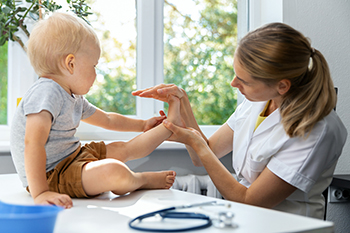
As parents, ensuring the well-being of your children is a top priority, and this extends to their footwear. Selecting the right shoes for your child goes beyond fashion considerations. It is more about promoting the child's comfort, development, and overall health. This can begin with prioritizing the fit. Children's feet are continually growing and developing, so it is helpful to choose shoes that provide enough room for their toes to wiggle and grow. Measure their feet regularly to ensure a proper fit. Support is another critical factor. Look for shoes with good arch support and cushioning to absorb shock during play and daily activities. Sturdy soles with good traction can help to prevent slips and falls. Air circulation is essential, as your child's feet can sweat quite a bit. Choose shoes made from breathable materials to reduce the risk of fungal infections. Lastly, involve your child in the selection process. Let them try on shoes and assess comfort. This empowers them and ensures that they are more likely to wear the shoes you buy. By keeping these factors in mind, you can make informed choices when shopping for your child's shoes, promoting their comfort, health, and happy feet. If you would like additional information about what type of shoes to buy for your child, it is suggested that you speak with a podiatrist.
Making sure that your children maintain good foot health is very important as they grow. If you have any questions, contact Dr. Scott Peters of Ankle & Foot Walk-In Clinic. Our doctor can provide the care you need to keep you pain-free and on your feet.
Keeping Children's Feet Healthy
Having healthy feet during childhood can help prevent medical problems later in life, namely in the back and legs. As children grow, their feet require different types of care. Here are some things to consider...
Although babies do not walk yet, it is still very important to take care of their feet.
Avoid putting tight shoes or socks on his or her feet.
Allow the baby to stretch and kick his or her feet to feel comfortable.
As a toddler, kids are now on the move and begin to develop differently. At this age, toddlers are getting a feel for walking, so don’t be alarmed if your toddler is unsteady or ‘walks funny’.
As your child gets older, it is important to teach them how to take care of their feet.
Show them proper hygiene to prevent infections such as fungus.
Be watchful for any pain or injury.
Have all injuries checked by a doctor as soon as possible.
Comfortable, protective shoes should always be worn, especially at play.
If you have any questions please feel free to contact our office located in Mayfield Village, OH . We offer the newest diagnostic and treatment technologies for all your foot and ankle needs.
Understanding the Causes of Foot Pain During Pregnancy
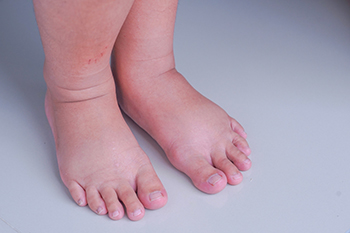
Pregnancy is a remarkable journey that brings joy and anticipation. However, along with the many changes within the body, some discomforts can arise, including foot pain. This type of pain is common, and understanding its causes can help expectant mothers better manage it. One of the primary reasons for foot pain during pregnancy is the increased weight and pressure placed on the feet. As the baby grows, so does the strain on the feet which could lead to arch and heel pain. Hormonal changes also play a role, as they can cause ligaments to become more relaxed, leading to instability in the feet. Swelling, a common pregnancy symptom, can also contribute to foot pain. Fluid retention causes the feet to swell, which can lead to discomfort and pressure on the arches. Finally, changes in gait and posture during pregnancy can lead to altered weight distribution, potentially causing pain in various areas of the feet. In conclusion, foot pain during pregnancy is a common but manageable issue. Understanding its causes can empower expectant mothers to take steps to alleviate discomfort and ensure a more pleasant pregnancy experience. If you would like to have additional information about foot pain during pregnancy, it is suggested that you consult a podiatrist.
Pregnant women with swollen feet can be treated with a variety of different methods that are readily available. For more information about other cures for swollen feet during pregnancy, consult with Dr. Scott Peters from Ankle & Foot Walk-In Clinic. Our doctor will attend to all of your foot and ankle needs.
What Foot Problems Can Arise During Pregnancy?
One problem that can occur is overpronation, which occurs when the arch of the foot flattens and tends to roll inward. This can cause pain and discomfort in your heels while you’re walking or even just standing up, trying to support your baby.
Another problem is edema, or swelling in the extremities. This often affects the feet during pregnancy but tends to occur in the later stages.
How Can I Keep My Feet Healthy During Pregnancy?
- Wearing orthotics can provide extra support for the feet and help distribute weight evenly
- Minimize the amount of time spent walking barefoot
- Wear shoes with good arch support
- Wear shoes that allow for good circulation to the feet
- Elevate feet if you experience swelling
- Massage your feet
- Get regular, light exercise, such as walking, to promote blood circulation to the feet
If you have any questions please feel free to contact our office located in Mayfield Village, OH . We offer the newest diagnostic and treatment technologies for all your foot and ankle needs.
Are Bunions Affecting Your Everyday Life?
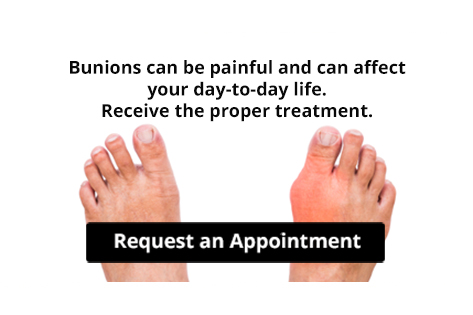
Have you noticed a bony protrusion on the side of your big toe? If so, you may have developed the foot condition known as a bunion. Don't let bunions interfere with your daily activities.
Is There a Difference Between Flat Feet and Overpronation?
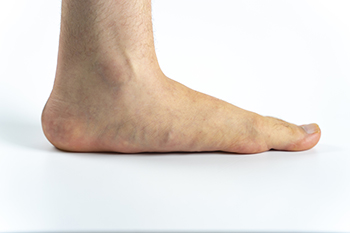
Flat feet and overpronation, although often seen together, are distinct conditions that can exist independently. Flat feet, also known as fallen arches, are characterized by the lack of an arch on the inside of the foot, resulting in the entire sole touching the ground. Overpronation relates to the dynamic movement of the foot during activities such as walking or running. Pronation is the natural inward roll and lowering of the arch when weight is placed on the foot. Overpronation means this movement is excessive, potentially leading to issues due to altered force patterns on the foot and leg. The collapse of the arch when standing can lead to excessive pronation while in motion. Correcting flat feet often involves both raising the arch when standing and controlling pronation during activities such as walking or running. Some individuals may have a normal arch, but still overpronate during high impact activities. Treatment and exercises for flat feet can sometimes overlap with those for overpronation. If you have either of these conditions, it is suggested that you make an appointment with a podiatrist who can examine your feet and gait patterns to determine whether you have a problem requiring treatment.
Flatfoot is a condition many people suffer from. If you have flat feet, contact Dr. Scott Peters from Ankle & Foot Walk-In Clinic. Our doctor will treat your foot and ankle needs.
What Are Flat Feet?
Flatfoot is a condition in which the arch of the foot is depressed and the sole of the foot is almost completely in contact with the ground. About 20-30% of the population generally has flat feet because their arches never formed during growth.
Conditions & Problems:
Having flat feet makes it difficult to run or walk because of the stress placed on the ankles.
Alignment – The general alignment of your legs can be disrupted, because the ankles move inward which can cause major discomfort.
Knees – If you have complications with your knees, flat feet can be a contributor to arthritis in that area.
Symptoms
- Pain around the heel or arch area
- Trouble standing on the tip toe
- Swelling around the inside of the ankle
- Flat look to one or both feet
- Having your shoes feel uneven when worn
Treatment
If you are experiencing pain and stress on the foot you may weaken the posterior tibial tendon, which runs around the inside of the ankle.
If you have any questions please feel free to contact our office located in Mayfield Village, OH . We offer the newest diagnostic and treatment technologies for all your foot and ankle needs.
Exploring Laser Treatment for Neuropathy
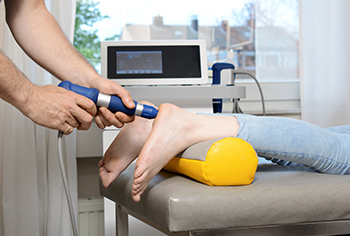
Neuropathy is a nerve-related condition causing tingling, numbness, and pain, and can greatly diminish the quality of life. In the realm of medical advancements, laser treatment emerges as a ray of hope for those grappling with neuropathic discomfort. Laser treatment for neuropathy involves the application of specific wavelengths of light to targeted areas. These photons penetrate the skin, stimulating cellular activity, and promoting circulation. This process prompts the release of endorphins, natural pain relievers that provide relief from neuropathic symptoms. By fostering cellular repair and reducing inflammation, laser treatment can aid in restoring nerve function and minimizing discomfort. This approach is non-invasive and offers a promising alternative to traditional therapies. If you are experiencing neuropathy that affects the feet, it is suggested that you confer with a podiatrist who can help you consider if laser treatment is the right approach for you.
MLS Laser Therapy is a successful alternative for treating any pain you may be experiencing related to certain podiatric conditions. If you are interested in MLS Laser Therapy, consult with Dr. Scott Peters from Ankle & Foot Walk-In Clinic. Our doctor will assess your condition and provide you with quality foot and ankle treatment.
MLS Laser Therapy
Multiwave Locked System (MLS) Laser Therapy is a patented, FDA-cleared technology that helps relieve pain and inflammation from a number of podiatric conditions, including:
- Heel Pain
- Plantar Fasciitis
- Sports Injuries
- Wounds
- Achilles Tendonitis
- Arthritis
- Neuropathy
- Neuromas
MLS Laser Therapy is an ideal alternative to surgery and prescription medication, as it has no negative side effects and encourages accelerated healing. Among its many clinical benefits, MLS Laser Therapy also:
- Reduces swelling due to bruising or inflammation
- Blocks pain
- Reduces formation of scar tissue
- Improves nerve function
If you have any questions, please feel free to contact our office located in Mayfield Village, OH . We offer the newest diagnostic and treatment technologies for all your foot care needs.


