Items filtered by date: November 2023
Common Symptoms of a Broken Ankle

A broken ankle can swiftly transform routine movements into moments of intense pain and disruption. This injury typically occurs when the ankle joint endures excessive force, often from a sudden twist, fall, or impact. The causes are diverse, ranging from sports related injuries to accidental slips or missteps. The severity of a broken ankle varies, with fractures manifesting in the bones surrounding the ankle joint. Symptoms, unmistakable in their intensity, include immediate pain, swelling, and difficulty bearing weight on the affected foot. Bruising may also develop, accompanied by a noticeable deformity or misalignment of the ankle. The sharp, shooting pain and the inability to move the ankle freely are indicative signs that warrant prompt medical attention. If you have broken your ankle, it is strongly suggested that you consult a podiatrist as quickly as possible who can properly diagnose and treat this type of fracture.
Broken ankles need immediate treatment. If you are seeking treatment, contact Dr. Scott Peters from Ankle & Foot Walk-In Clinic. Our doctor can provide the care you need to keep you pain-free and on your feet.
Broken Ankles
A broken ankle is experienced when a person fractures their tibia or fibula in the lower leg and ankle area. Both of these bones are attached at the bottom of the leg and combine to form what we know to be our ankle.
When a physician is referring to a break of the ankle, he or she is usually referring to a break in the area where the tibia and fibula are joined to create our ankle joint. Ankles are more prone to fractures because the ankle is an area that suffers a lot of pressure and stress. There are some obvious signs when a person experiences a fractured ankle, and the following symptoms may be present.
Symptoms of a Fractured Ankle
- Excessive pain when the area is touched or when any pressure is placed on the ankle
- Swelling around the area
- Bruising of the area
- Area appears to be deformed
If you suspect an ankle fracture, it is recommended to seek treatment as soon as possible. The sooner you have your podiatrist diagnose the fracture, the quicker you’ll be on the way towards recovery.
If you have any questions, please feel free to contact our office located in Mayfield Village, OH . We offer the newest diagnostic and treatment technologies for all your foot care needs.
Hammertoe in Children

Hammertoe, or curly toe in children is a deformity where the toe bends downward at the middle joint, resembling a hammer. It is often congenital, meaning children are born with it. Hammertoe may be flexible initially but can become fixed over time. It can occur due to an imbalance in the muscles, tendons, or ligaments that normally hold the toe straight. Wearing tight footwear and genetics can also contribute to the development of hammertoe. While it may not always cause discomfort, it can lead to issues like irritation or difficulty in fitting into shoes. If your child has hammertoe, it is suggested that you make an appointment with a podiatrist for a proper diagnosis and appropriate treatment based on its severity.
Hammertoes can be a painful condition to live with. For more information, contact Dr. Scott Peters of Ankle & Foot Walk-In Clinic. Our doctor will answer any of your foot- and ankle-related questions.
Hammertoe
Hammertoe is a foot deformity that occurs due to an imbalance in the muscles, tendons, or ligaments that normally hold the toe straight. It can be caused by the type of shoes you wear, your foot structure, trauma, and certain disease processes.
Symptoms
- Painful and/or difficult toe movement
- Swelling
- Joint stiffness
- Calluses/Corns
- Physical deformity
Risk Factors
- Age – The risk of hammertoe increases with age
- Sex – Women are more likely to have hammertoe compared to men
- Toe Length – You are more likely to develop hammertoe if your second toe is longer than your big toe
- Certain Diseases – Arthritis and diabetes may make you more likely to develop hammertoe
Treatment
If you have hammertoe, you should change into a more comfortable shoe that provides enough room for your toes. Exercises such as picking up marbles may strengthen and stretch your toe muscles. Nevertheless, it is important to seek assistance from a podiatrist in order to determine the severity of your hammertoe and see which treatment option will work best for you.
If you have any questions, please feel free to contact our office located in Mayfield Village, OH . We offer the newest diagnostic and treatment technologies for all your foot care needs.
Arthritis Can Cause Pain in the Feet and Ankles

If you are suffering from tenderness, pain, or stiffness in the joints of your feet or ankles, call us to schedule an appointment.
Assessing Diabetic Foot Ulcers

Diabetic foot ulcers are difficult wounds to heal because they can be caused by many factors. Podiatrists have different ways to treat these ulcers, including looking at blood flow problems. Neuroischemic ulcers develop from poor blood flow and nerve damage in the feet, making up approximately half of the cases of diabetic foot ulcers. When a patient has a diabetic foot ulcer, a podiatrist looks at their entire health history, asks about their daily habits, and checks how well they can move and complete everyday activities. The foot doctor also needs to know what medications the patient is taking, as some can slow down healing. All this information helps them determine the best way to treat the ulcer. The top goals are to find out what is causing the ulcer, determine how to stop it from getting worse and encourage the patient to follow the treatment plan. If you have diabetes and have developed a foot ulcer, it is strongly suggested that you make an appointment with a podiatrist as quickly as possible for a thorough assessment, examination, and treatment plan.
Wound care is an important part in dealing with diabetes. If you have diabetes and a foot wound or would like more information about wound care for diabetics, consult with Dr. Scott Peters from Ankle & Foot Walk-In Clinic. Our doctor will assess your condition and provide you with quality foot and ankle treatment.
What Is Wound Care?
Wound care is the practice of taking proper care of a wound. This can range from the smallest to the largest of wounds. While everyone can benefit from proper wound care, it is much more important for diabetics. Diabetics often suffer from poor blood circulation which causes wounds to heal much slower than they would in a non-diabetic.
What Is the Importance of Wound Care?
While it may not seem apparent with small ulcers on the foot, for diabetics, any size ulcer can become infected. Diabetics often also suffer from neuropathy, or nerve loss. This means they might not even feel when they have an ulcer on their foot. If the wound becomes severely infected, amputation may be necessary. Therefore, it is of the upmost importance to properly care for any and all foot wounds.
How to Care for Wounds
The best way to care for foot wounds is to prevent them. For diabetics, this means daily inspections of the feet for any signs of abnormalities or ulcers. It is also recommended to see a podiatrist several times a year for a foot inspection. If you do have an ulcer, run the wound under water to clear dirt from the wound; then apply antibiotic ointment to the wound and cover with a bandage. Bandages should be changed daily and keeping pressure off the wound is smart. It is advised to see a podiatrist, who can keep an eye on it.
If you have any questions, please feel free to contact our office located in Mayfield Village, OH . We offer the newest diagnostic and treatment technologies for all your foot care needs.
Causes and Symptoms of Foot Stress Fractures
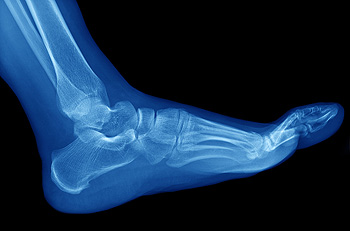
Stress fractures, those tiny cracks in the bones of the feet, are a common concern for athletes, dancers, and anyone who spends a significant amount of time on their feet. These fractures are usually a result of repetitive stress and overuse, rather than sudden trauma. One primary cause of stress fractures is overexertion, often seen in athletes who increase their training intensity too quickly. Wearing Improper footwear or a sudden change in physical activity can also put undue stress on the bones. Inadequate nutrition and underlying conditions such as osteoporosis may weaken bones, making them more susceptible to fractures. Symptoms of a stress fracture typically include localized pain, swelling, and tenderness in the affected area. The pain usually worsens with activity and eases with rest. Left untreated, stress fractures can progress to chronic pain and complications, so early intervention is essential. Understanding the causes and recognizing these symptoms allows for prompt diagnosis and proper care, reducing the risk of more severe injuries and ensuring a quicker return to an active, pain-free lifestyle. If you have developed a foot stress fracture, it is suggested that you visit a podiatrist as quickly as possible who can effectively treat this condition.
Stress fractures occur when there is a tiny crack within a bone. To learn more, contact Dr. Scott Peters from Ankle & Foot Walk-In Clinic. Our doctor can provide the care you need to keep you pain free and on your feet.
How Are They Caused?
Stress fractures are the result of repetitive force being placed on the bone. Since the lower leg and feet often carry most of the body’s weight, stress fractures are likely to occur in these areas. If you rush into a new exercise, you are more likely to develop a stress fracture since you are starting too much, too soon. Pain resulting from stress fractures may go unnoticed at first, however it may start to worsen over time.
Risk Factors
- Gender – They are more commonly found in women compared to men.
- Foot Problems – People with unusual arches in their feet are more likely to develop stress fractures.
- Certain Sports – Dancers, gymnasts, tennis players, runners, and basketball players are more likely to develop stress fractures.
- Lack of Nutrients – A lack of vitamin D and calcium may weaken the bones and make you more prone to stress fractures
- Weak Bones – Osteoporosis can weaken the bones therefore resulting in stress fractures
Stress fractures do not always heal properly, so it is important that you seek help from a podiatrist if you suspect you may have one. Ignoring your stress fracture may cause it to worsen, and you may develop chronic pain as well as additional fractures.
If you have any questions, please feel free to contact our office located in Mayfield Village, OH . We offer the newest diagnostic and treatment technologies for all your foot care needs.


